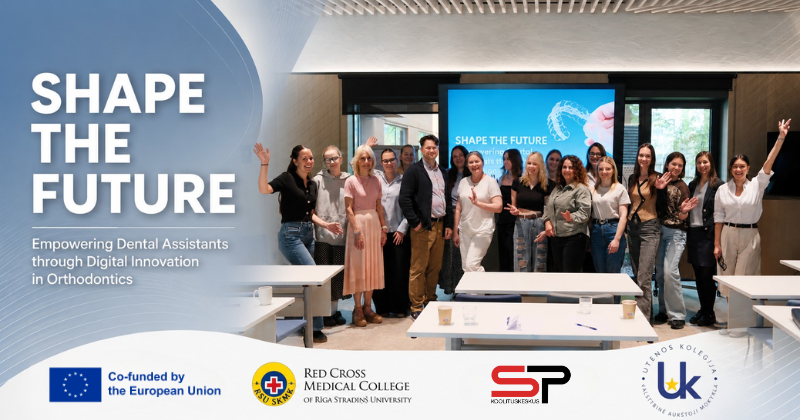
Shape the Future: Empowering Dental Assistants through Digital Innovation in Orthodontics
We are excited to announce the successful completion of our Erasmus+ project ” Shape the Future: Empowering Dental Assistants through Digital Innovation in Orthodontics“!
Project No. 2024-2-EE01-KA210-VET-000292947, funded under the Erasmus+ Programme (KA210-VET – Small-Scale Partnerships in Vocational Education and Training).
Project Overview
Over the past project period, three partner organisations from Estonia, Latvia, and Lithuania came together with one shared goal: to modernise and standardise the training of dental assistants working alongside orthodontists, by bringing digital tools and clinical best practice into a single, practical resource.
The project brought together students and coordinators from all three partner institutions to pool their clinical experience, teaching materials, and hands-on knowledge of modern orthodontic workflows – from first diagnosis to digital treatment planning.
How It Was
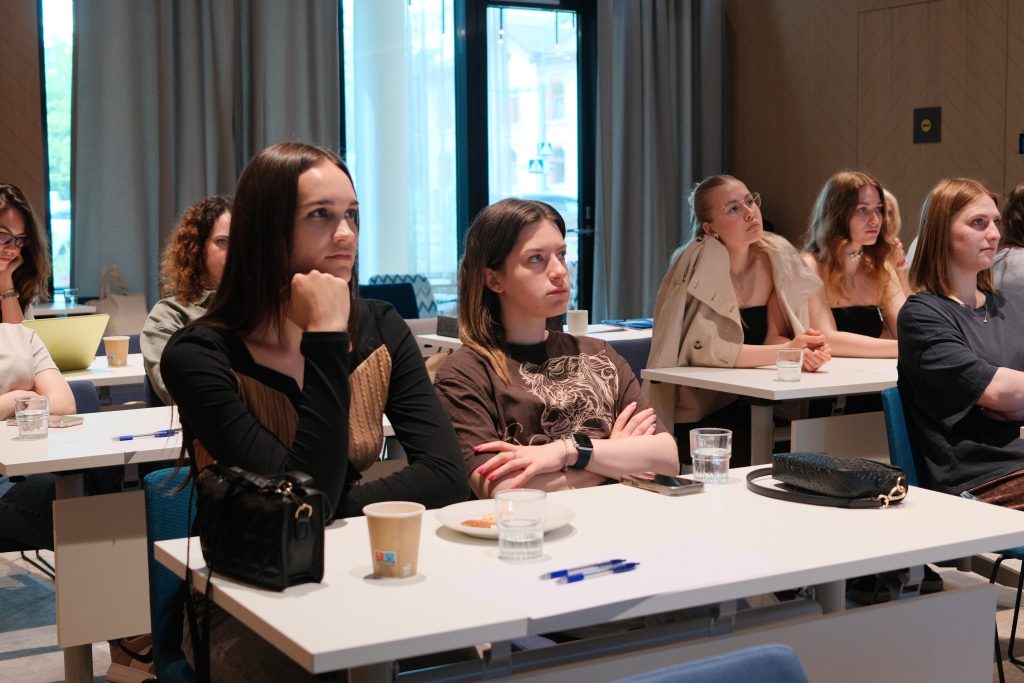
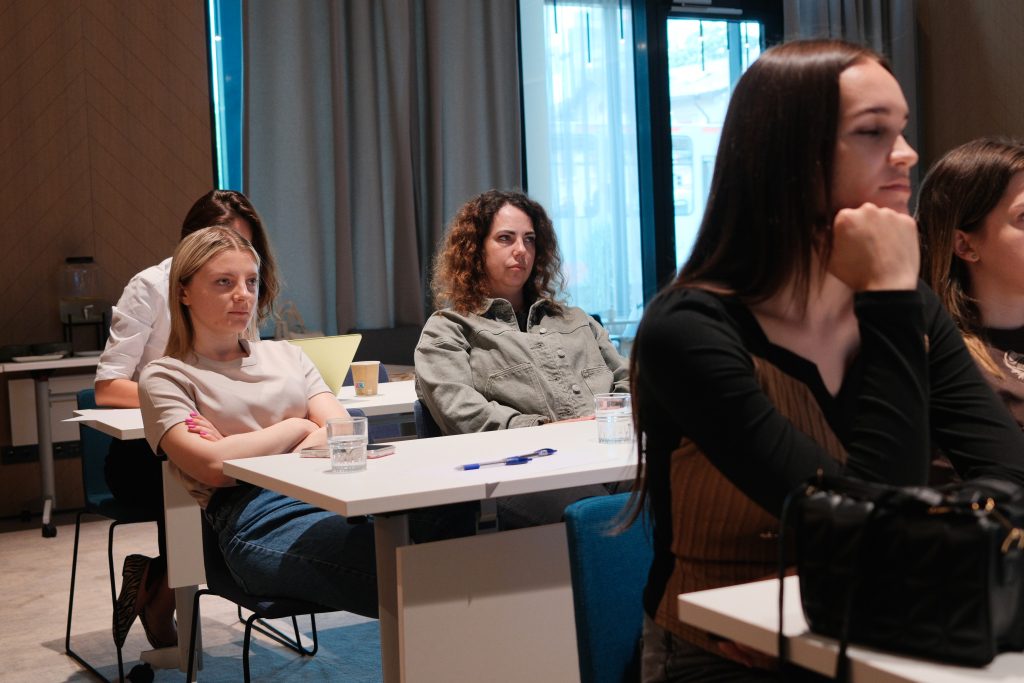
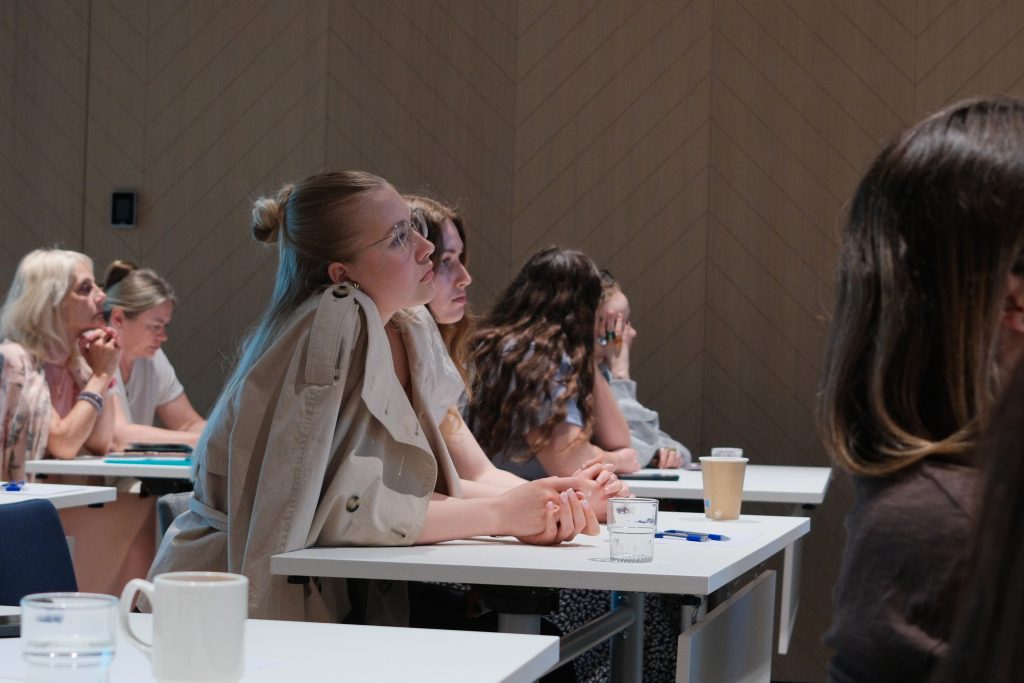
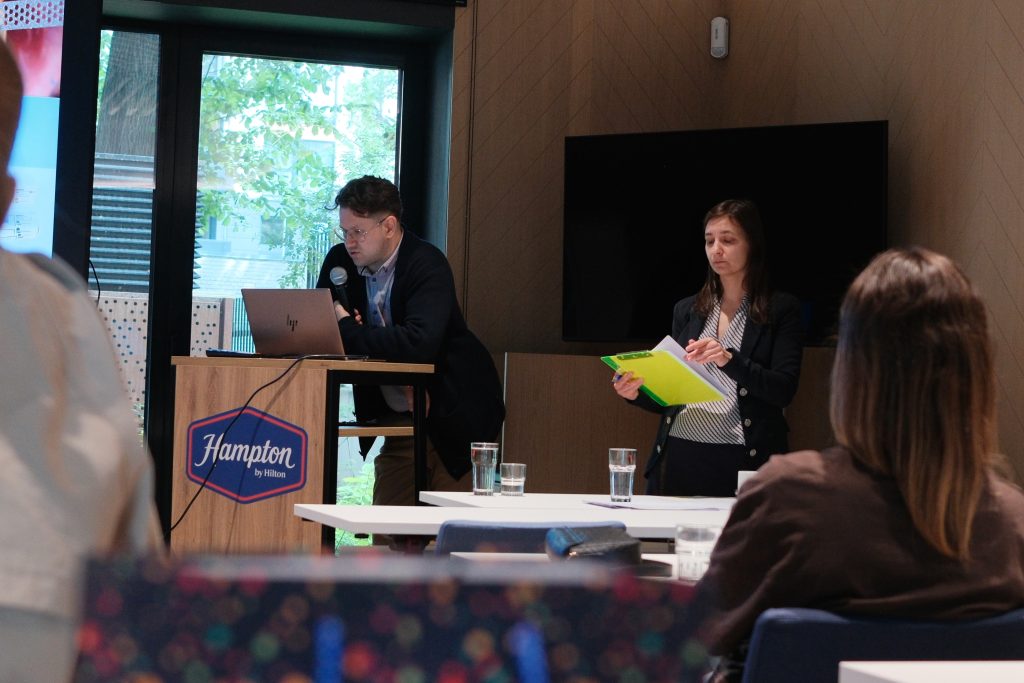
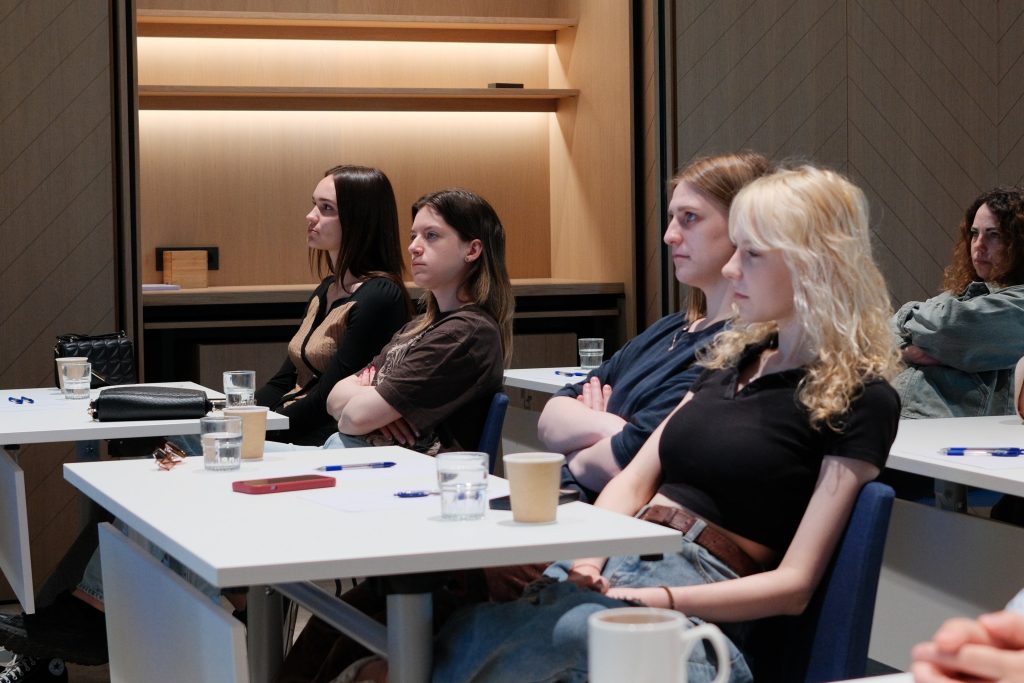
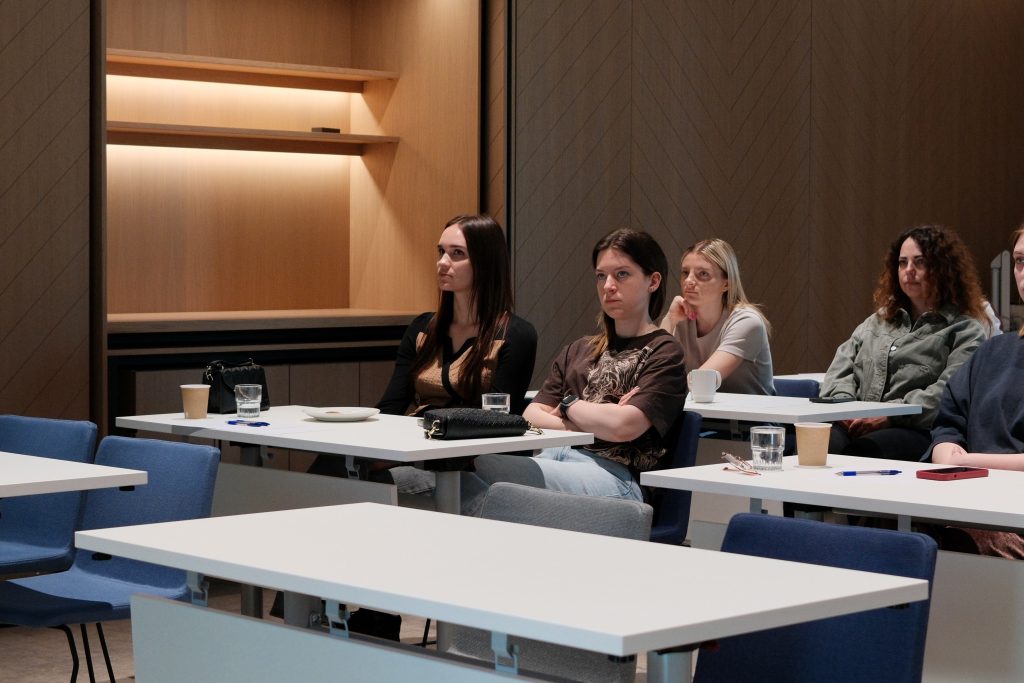
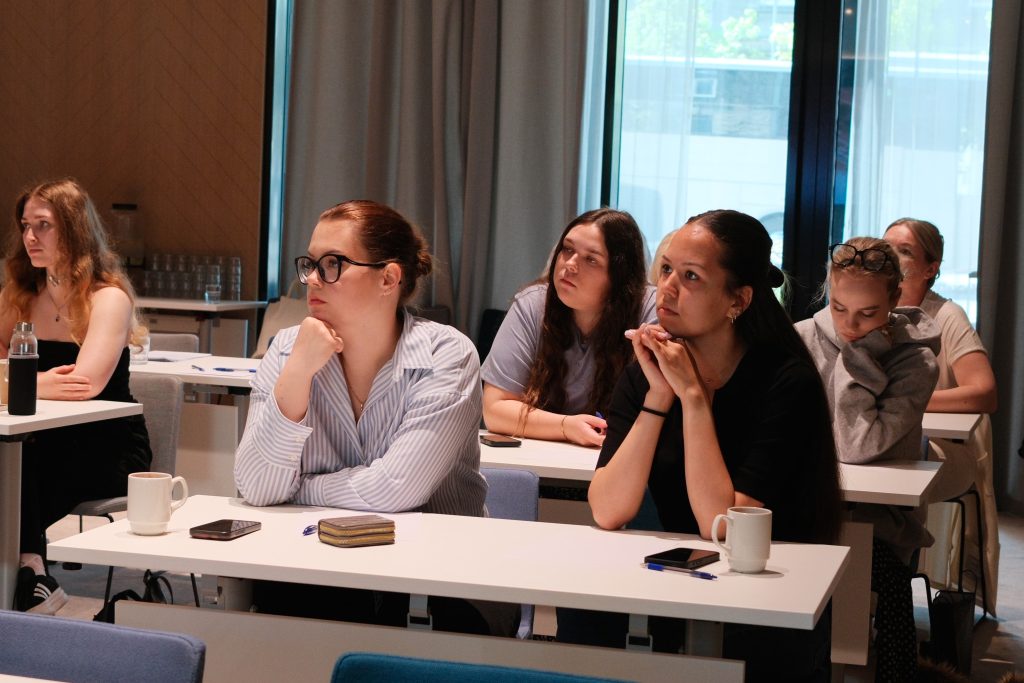
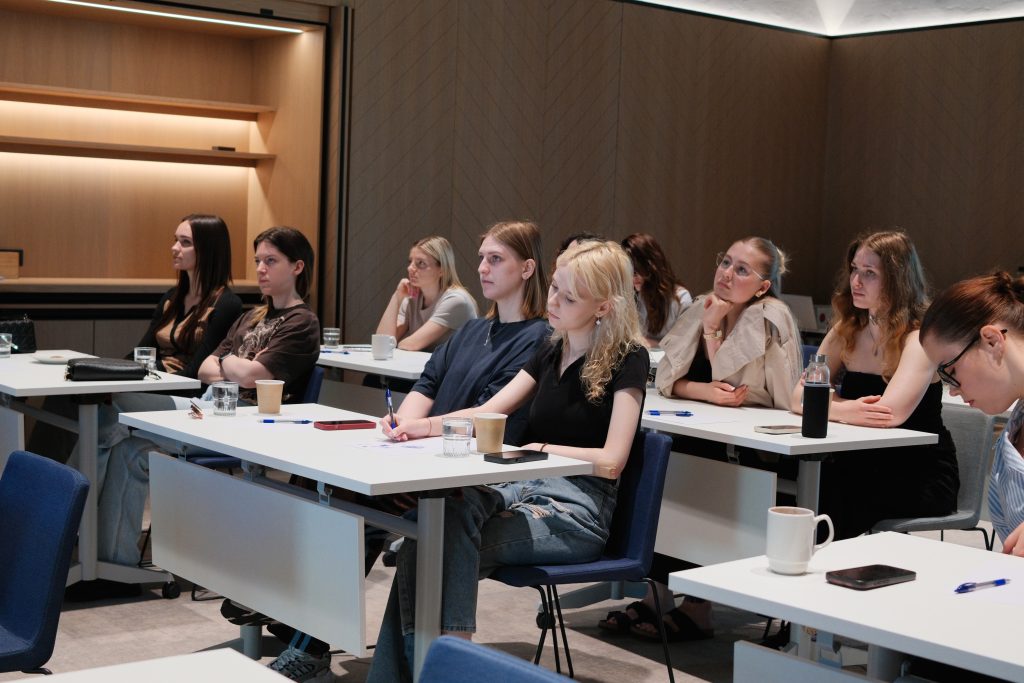
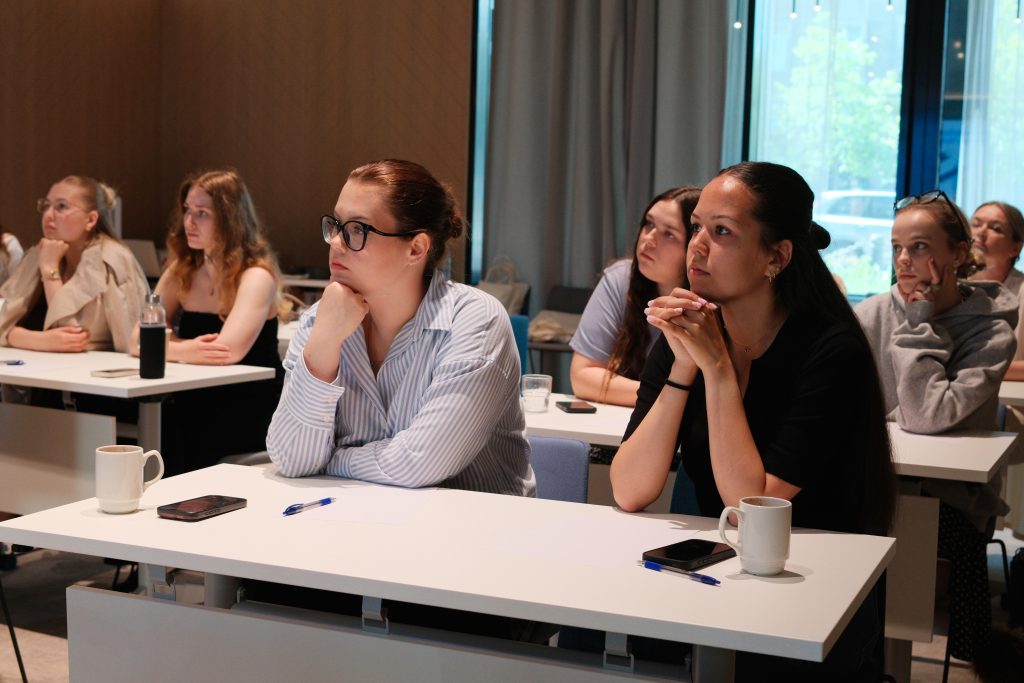
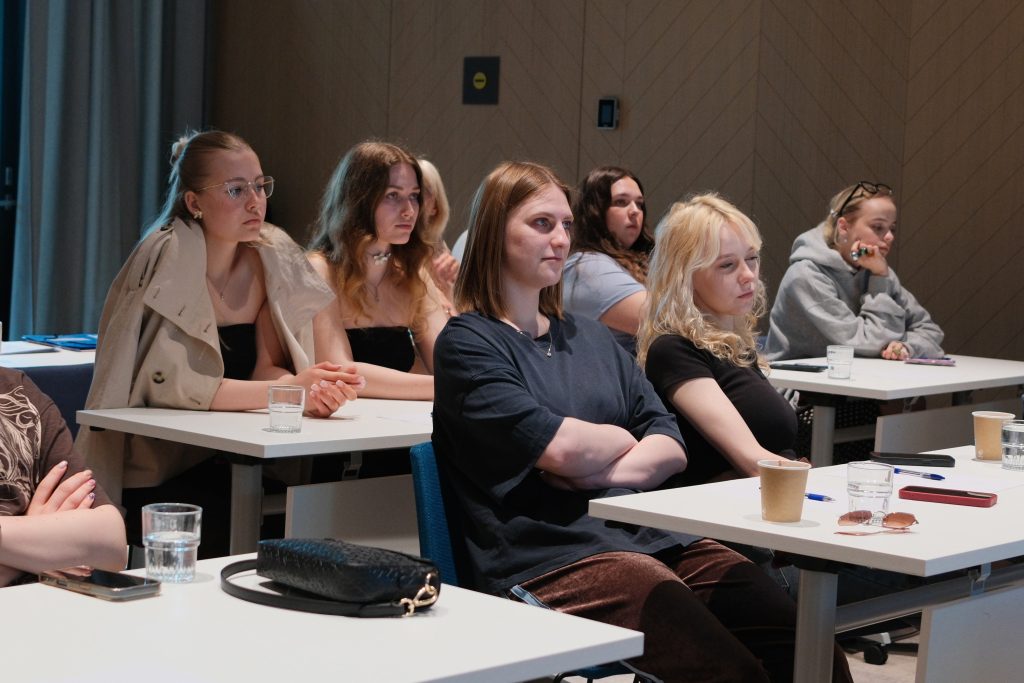
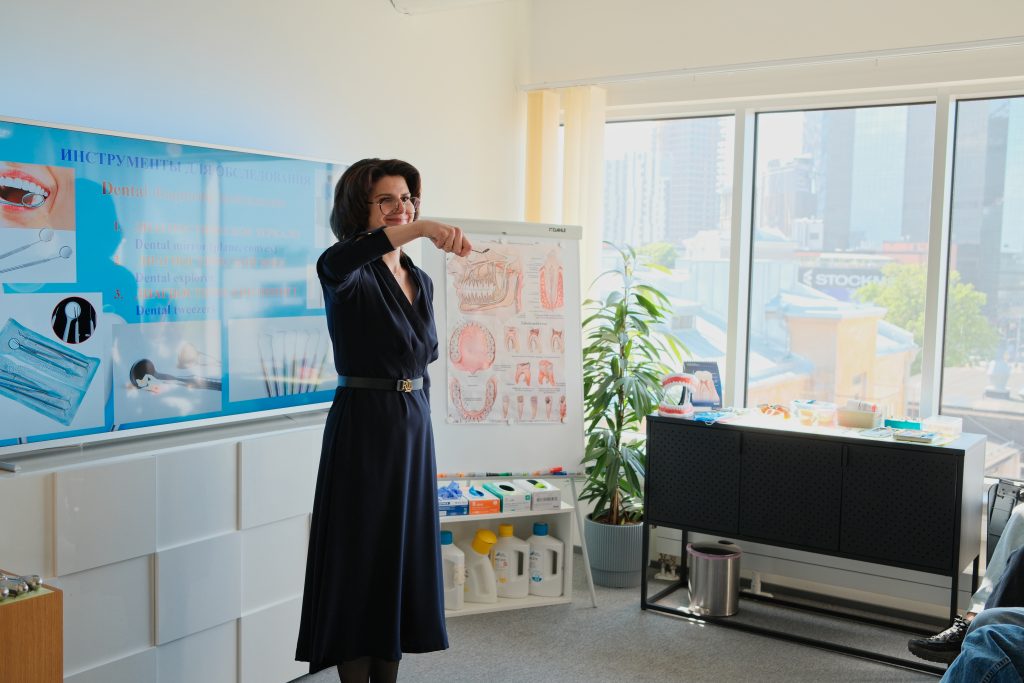
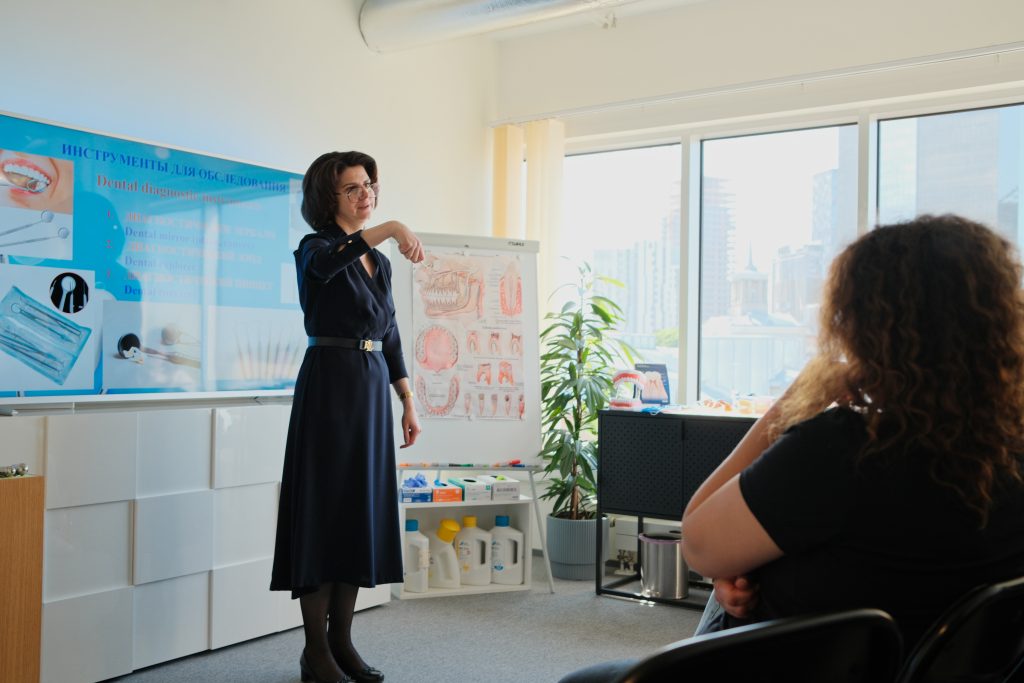
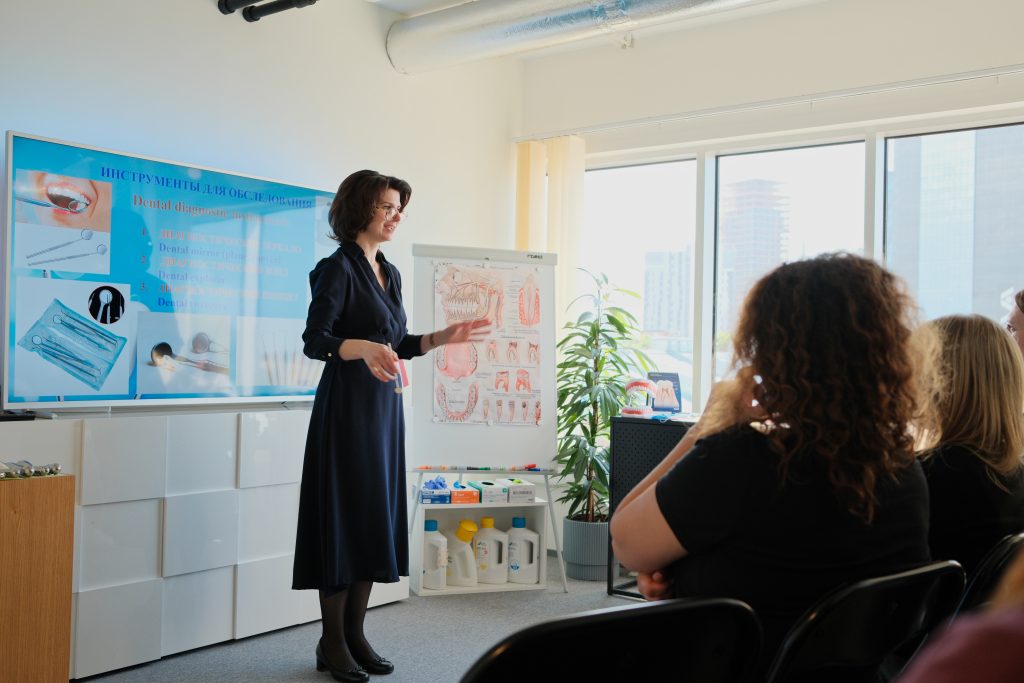
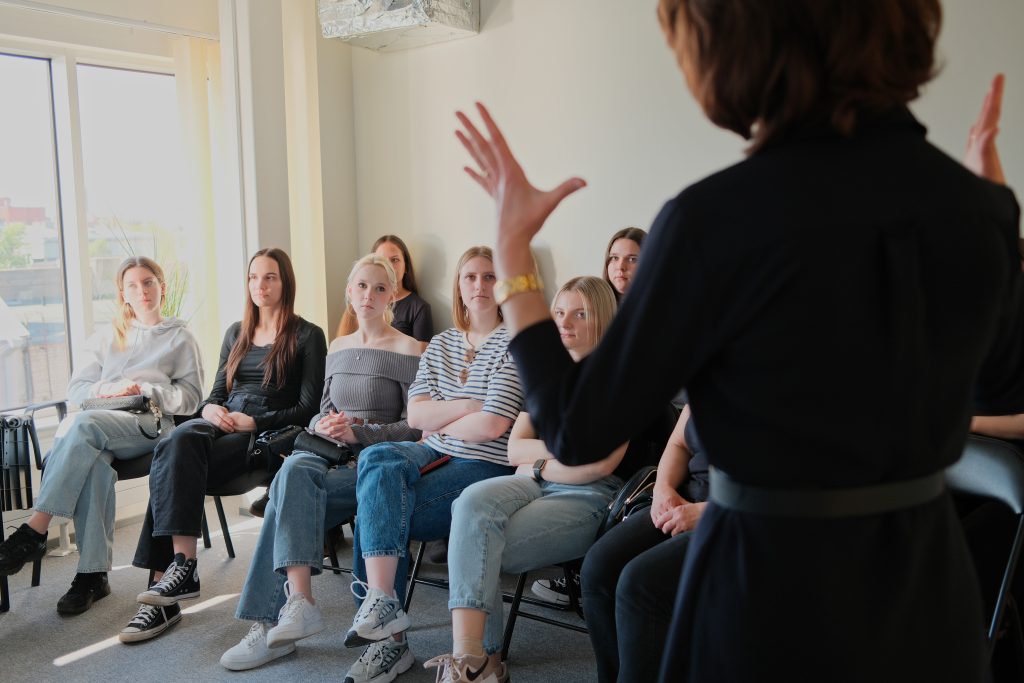
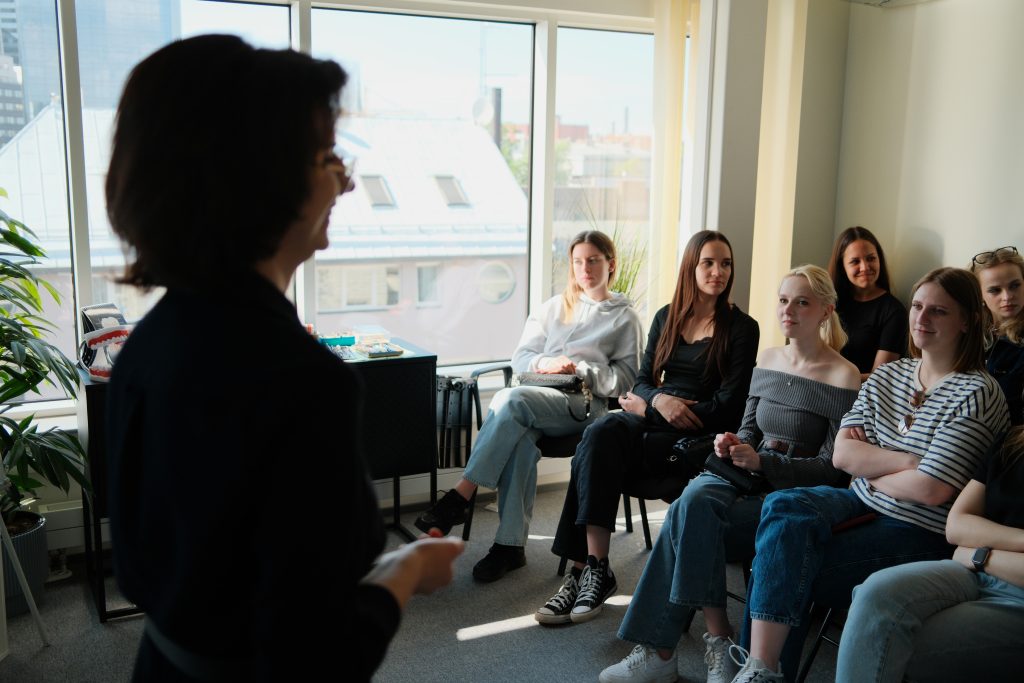
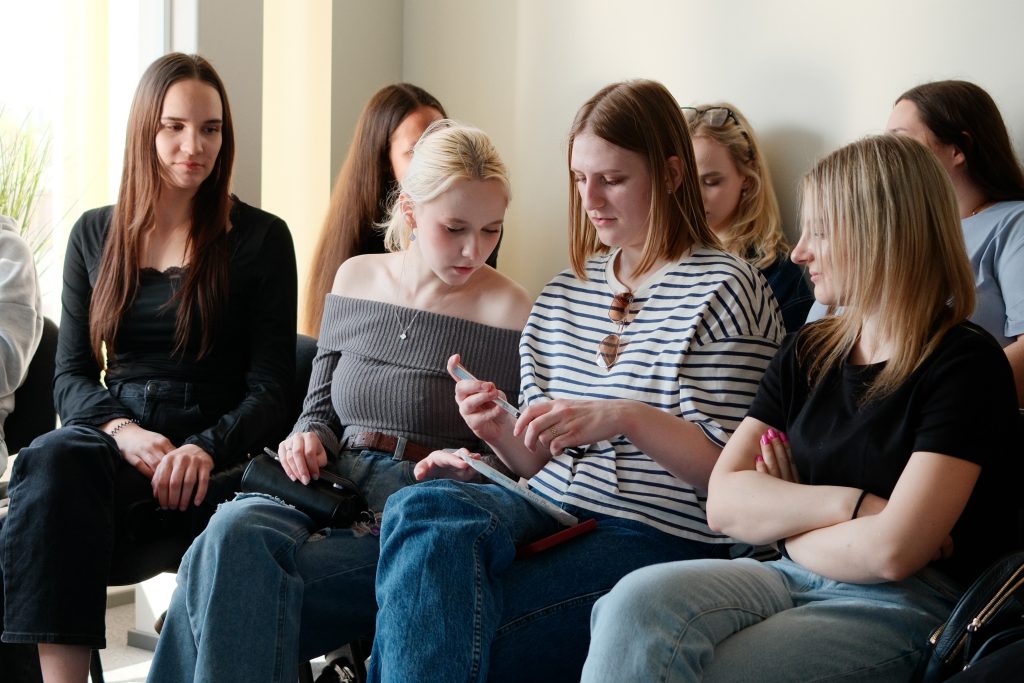
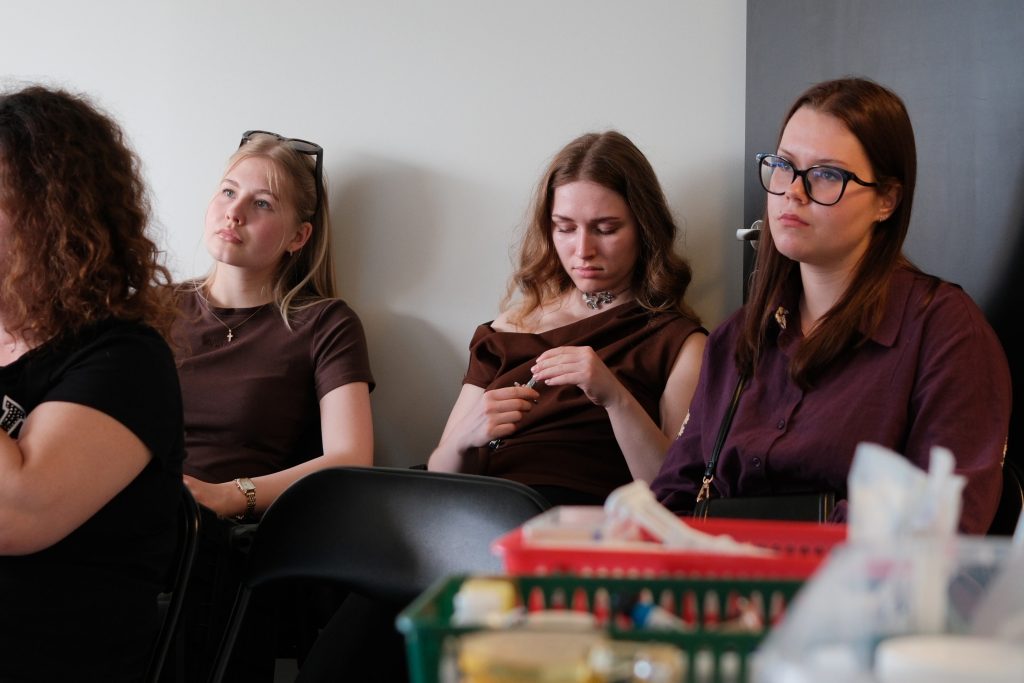
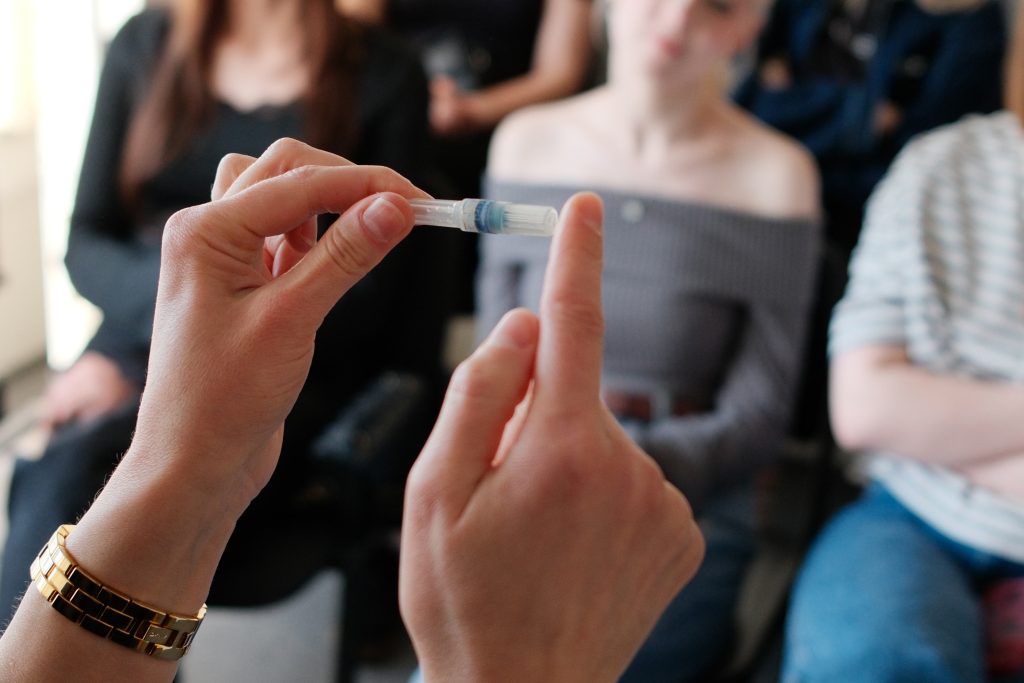
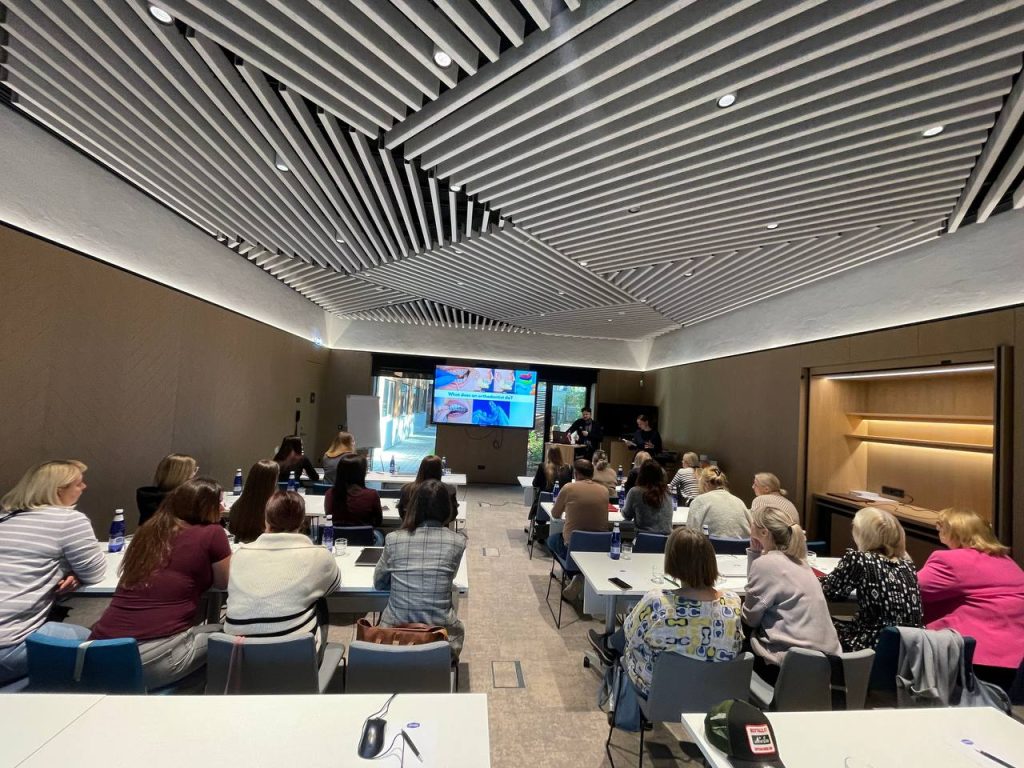
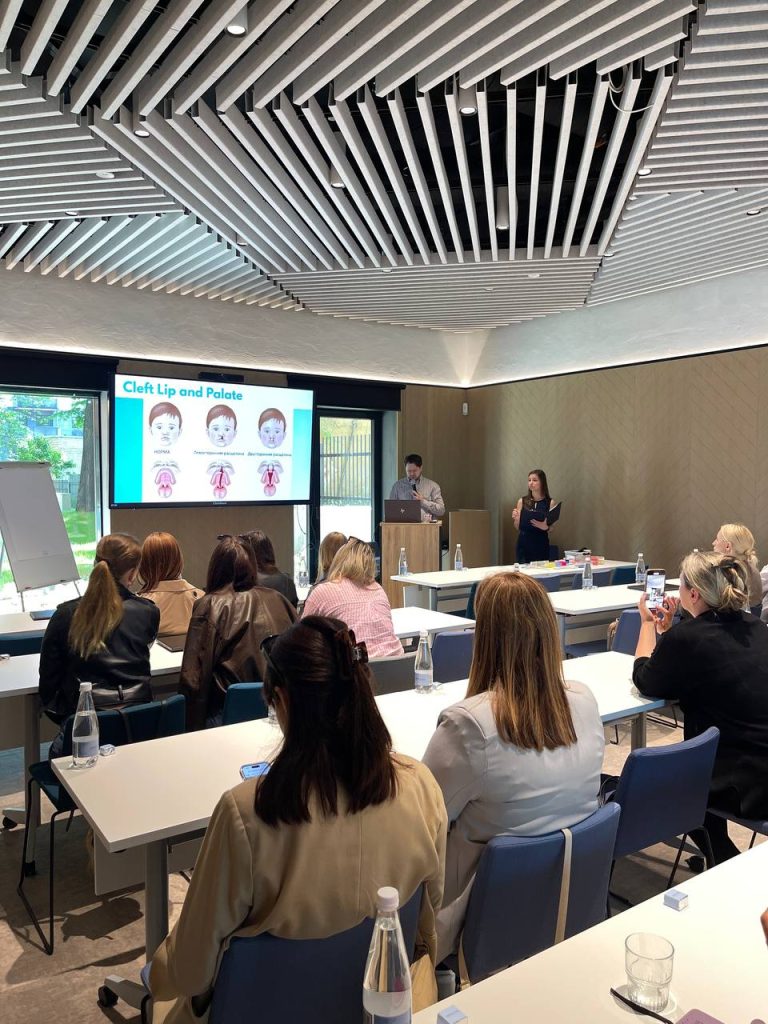
The project ran as a series of hands-on project meetings and workshops, hosted in Tallinn, Estonia, bringing together students and coordinators from all three partner institutions. Rather than working remotely on separate pieces, the teams worked face-to-face: each orthodontics topic was taught, then discussed as a group, so the final protocol reflects what dental assistants themselves identified as essential for daily practice.
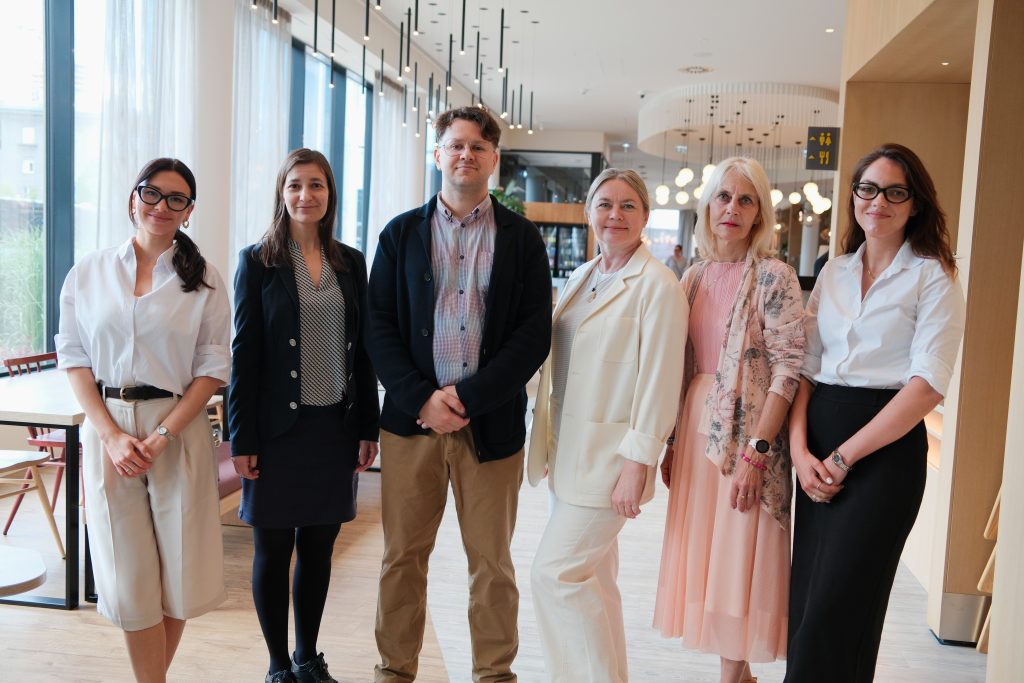
Our Partners
- Stomatoloogia Pluss Training Center (Tallinn, Estonia) – a dental clinic and training center that runs professional dental assistant courses, teaching everything from chairside assistance and dental radiography to using modern dental software. stomatoloogiapluss.ee
- The Red Cross Medical College of Rīga Stradiņš University (Riga, Latvia) – a medical and healthcare training institution with over 100 years of history, now an agency of Riga Stradiņš University, one of Latvia’s largest universities. It trains students in nursing, medical treatment, therapeutic massage, and pharmacy. rcmc.lv
- Utenos kolegija (Utena, Lithuania) – a non-profit higher education institution founded in 2000, focused on practical, applied studies across 18 study programmes, with a strong international/Erasmus track record. utenos-kolegija.lt
Technology Partner: Ordoline
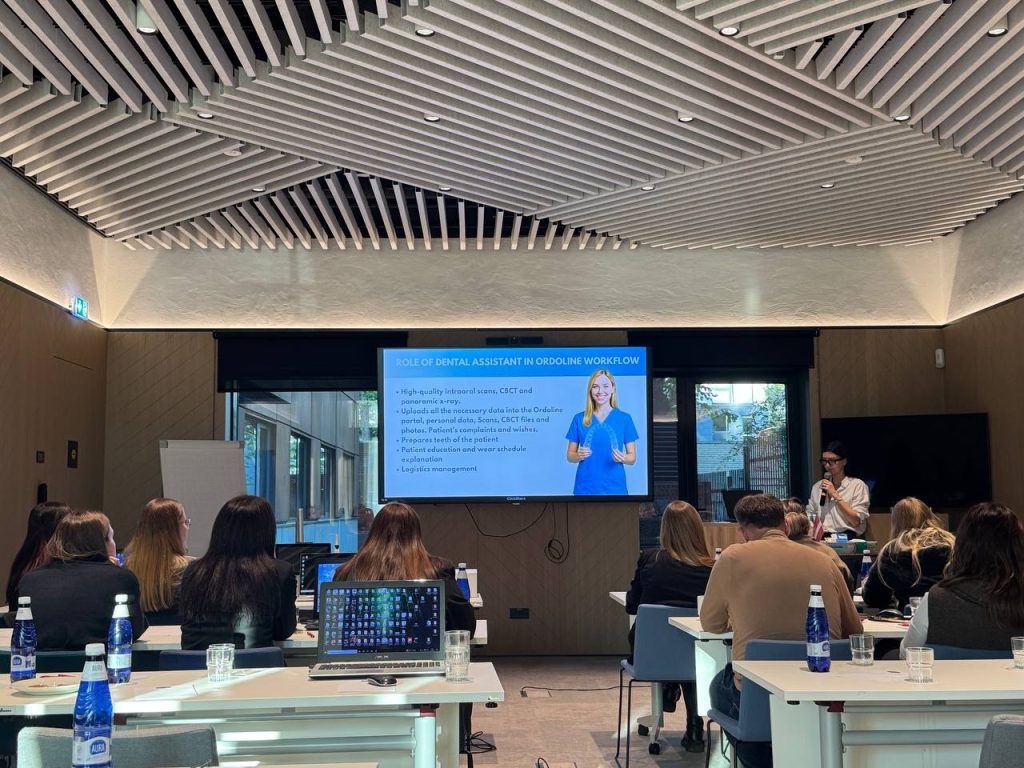
A key part of the protocol – and of the training itself – centers on Ordoline, the digital aligner-treatment platform that dental assistants learn to work with as part of the modern digital workflow. Ordoline gives orthodontists more control and predictability over aligner treatment, even in complex cases, by integrating real orthodontic mechanics (elastics, power arms, temporary anchorage devices, expanders) into a nearly invisible, removable aligner system. Every treatment plan is reviewed twice – first by Ordoline’s own team of orthodontic specialists, then by the treating doctor – before manufacturing begins. Learning to prepare and submit a case through this platform is one of the core practical skills the protocol teaches. ordoline.com
Key Achievement
The central outcome of the project is the Working Protocol: Dental Assistant – Orthodontist Collaboration Algorithm – a comprehensive digital and clinical reference guide developed specifically for dental assistants working with orthodontists.
The protocol brings together, in one document:
- Clear definitions of roles and responsibilities shared between the orthodontist and the dental assistant
- An introduction to orthodontics, types of malocclusion, and related pathologies
- Diagnostic methods, including radiographic and clinical examination techniques
- A full illustrated glossary of orthodontic instruments and appliances
- A step-by-step intraoral scanning protocol (3Shape TRIOS 4)
- A guide to the Ordoline digital case-submission and aligner-manufacturing workflow
The document was drafted collaboratively, reviewed in detail by clinical and language specialists from every partner organisation, and formally approved by all three institutions.
Impact
This protocol gives dental assistants and orthodontic teams across all three partner countries a shared, up-to-date standard to work from – one that reflects how orthodontic practices actually operate today, with digital scanning and case submission now a routine part of daily clinical work.
By making the same resource available in four languages, the project ensures that this knowledge is accessible not only within the partnership but to the wider dental training community in Estonia, Latvia, and Lithuania.
Results of the Project
- One fully developed working protocol, structured, illustrated, and reviewed end to end
- Full translations into Estonian, Latvian, and Lithuanian, alongside the original English version
- A professionally designed, publication-ready edition of the protocol in all four languages, ready to be shared with training centres, clinics, and students
* Funded by the European Union. Views and opinions expressed are however those of the author(s) only and do not necessarily reflect those of the European Union or HARNO (Haridus- ja Noorteamet). Neither the European Union nor HARNO can be held responsible for them.
Download the Protocol
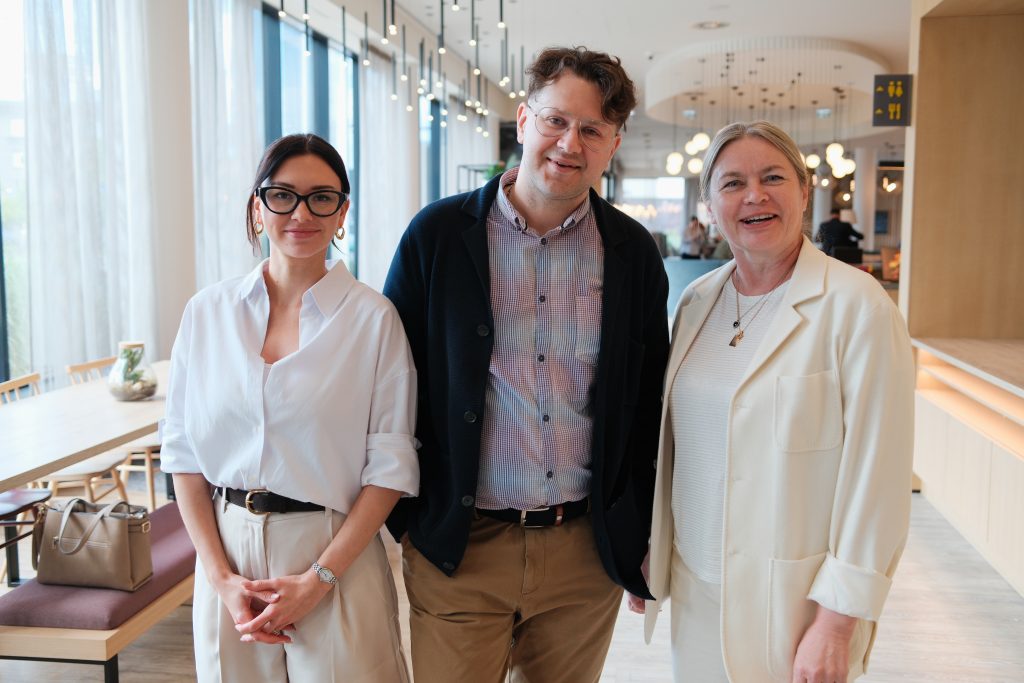
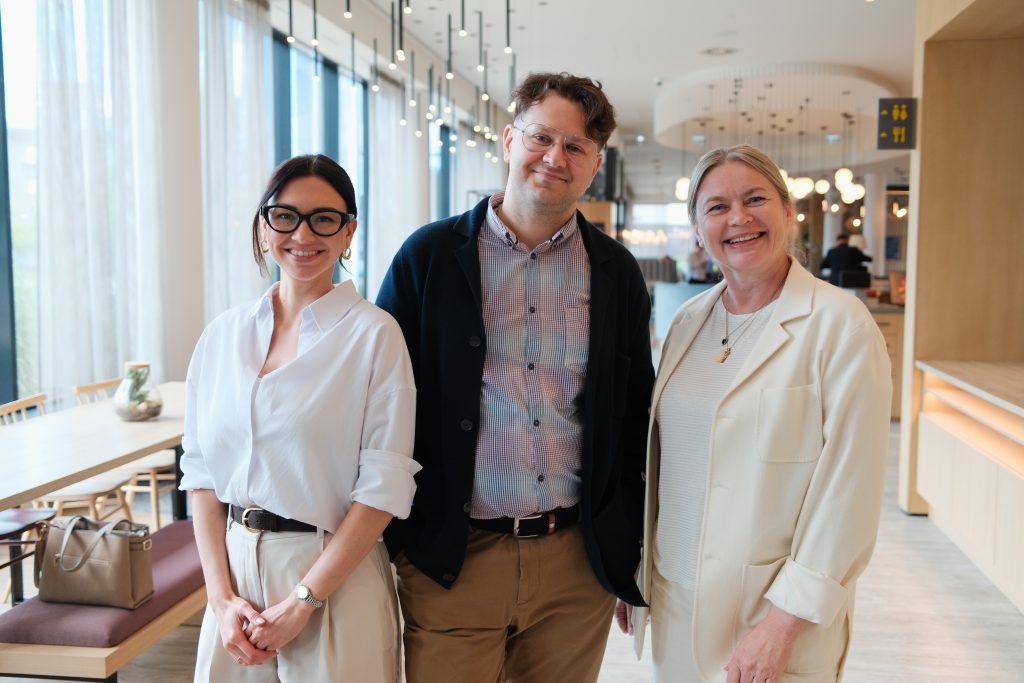
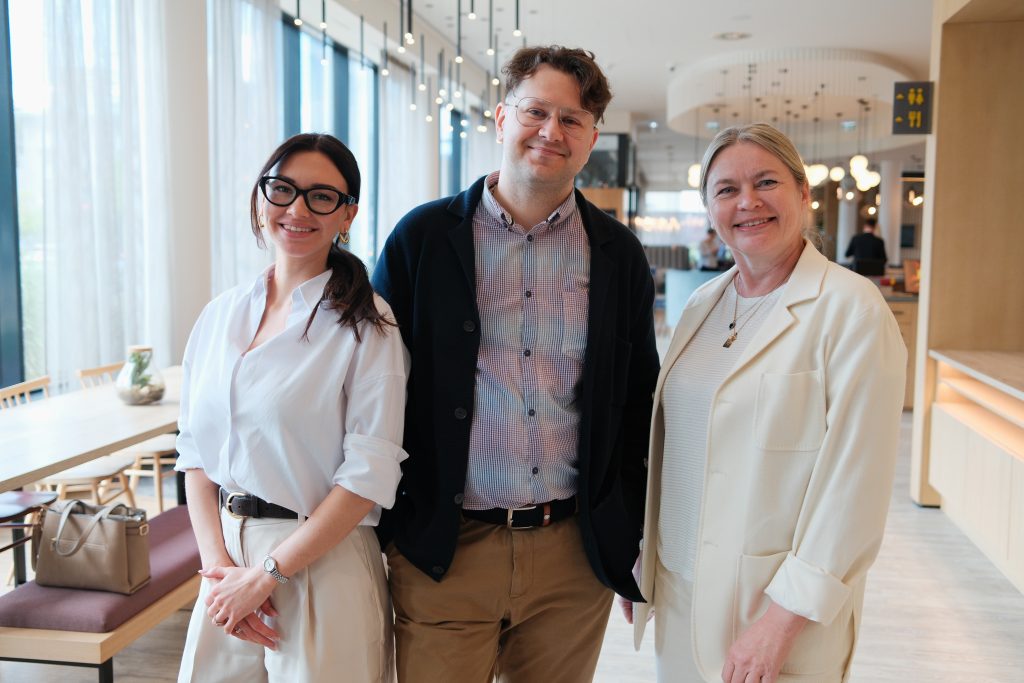
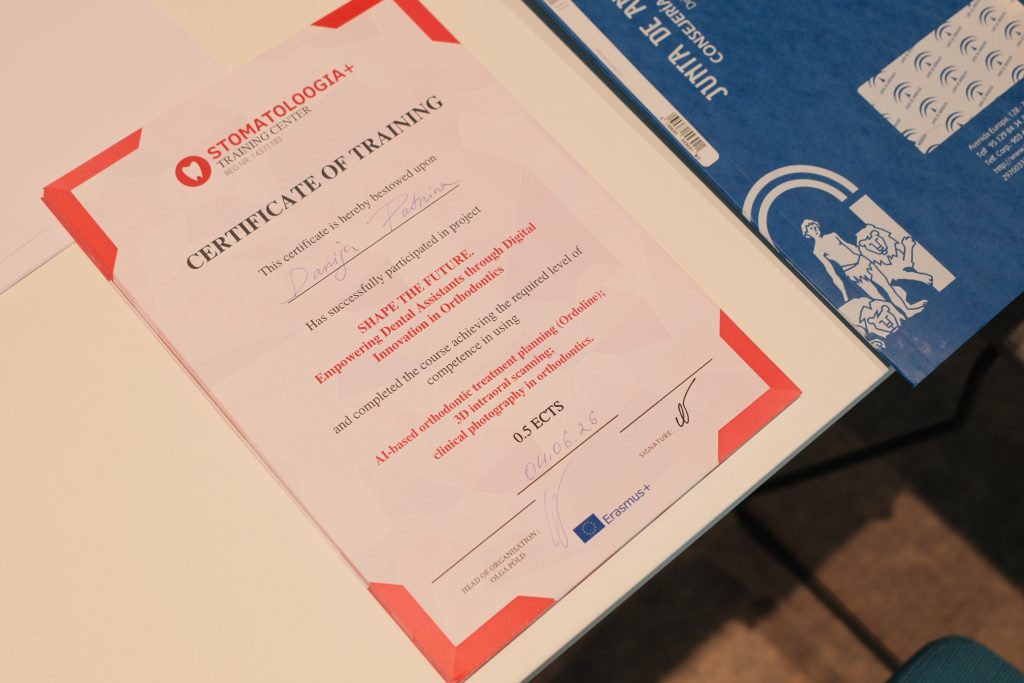
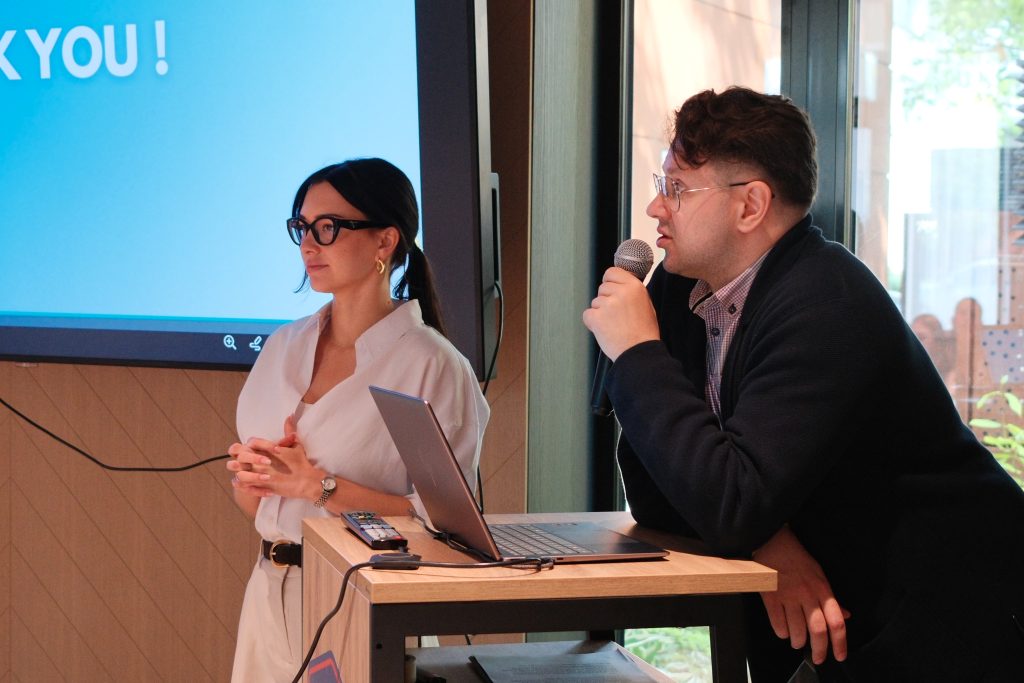
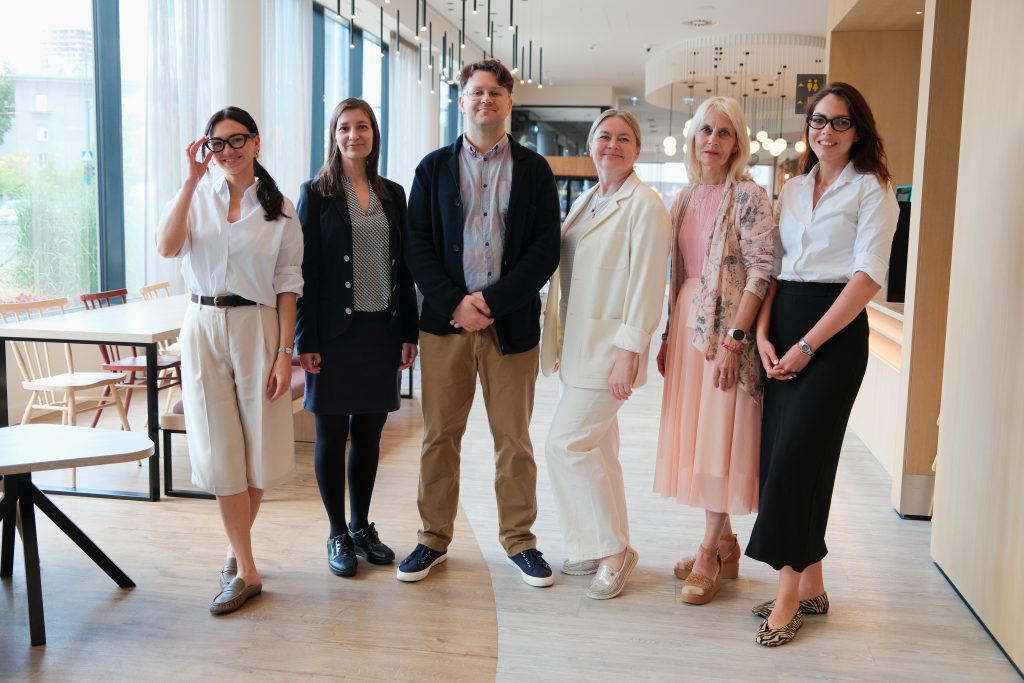
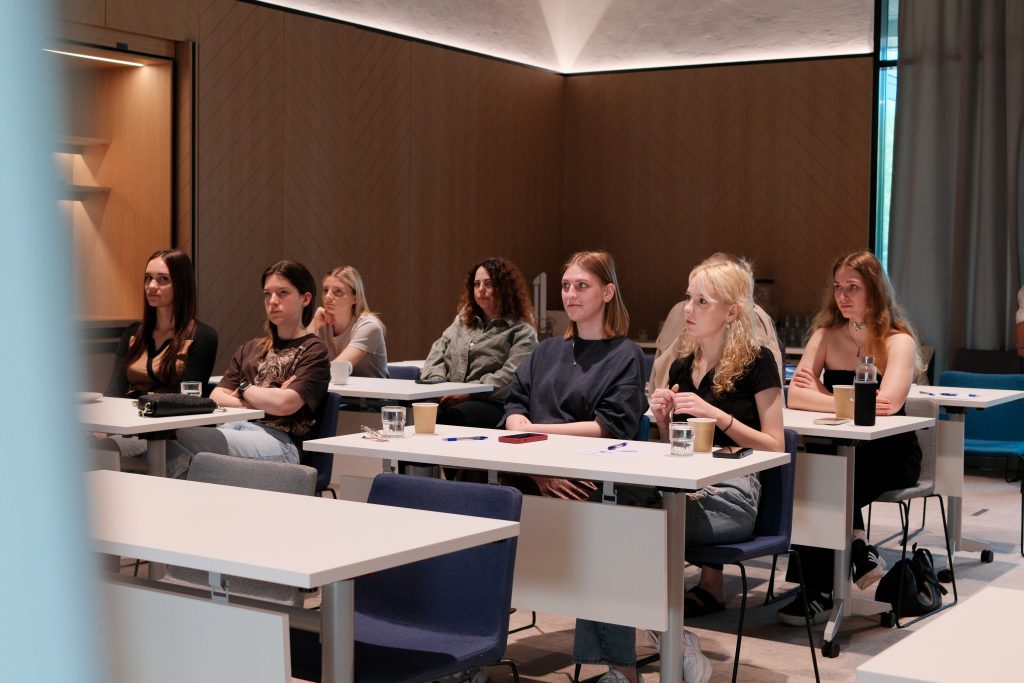
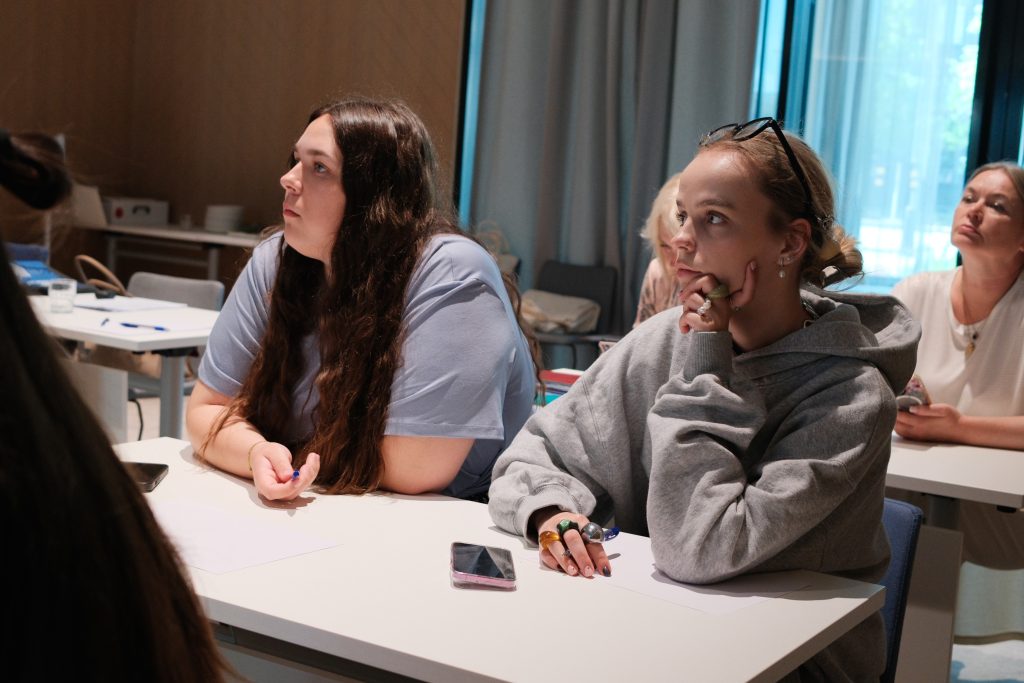
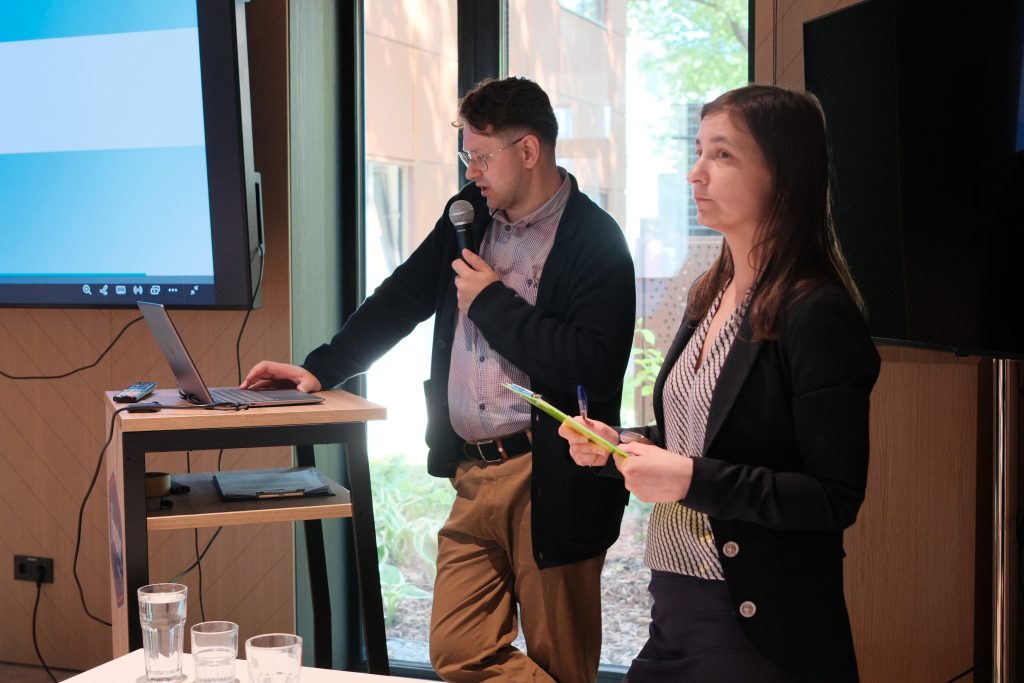
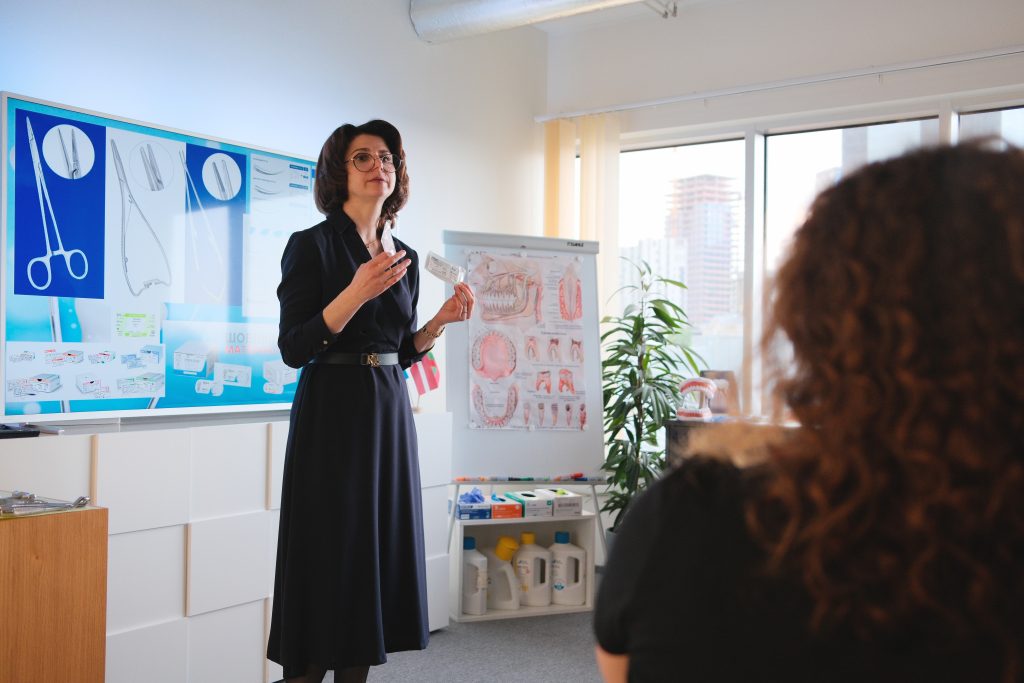
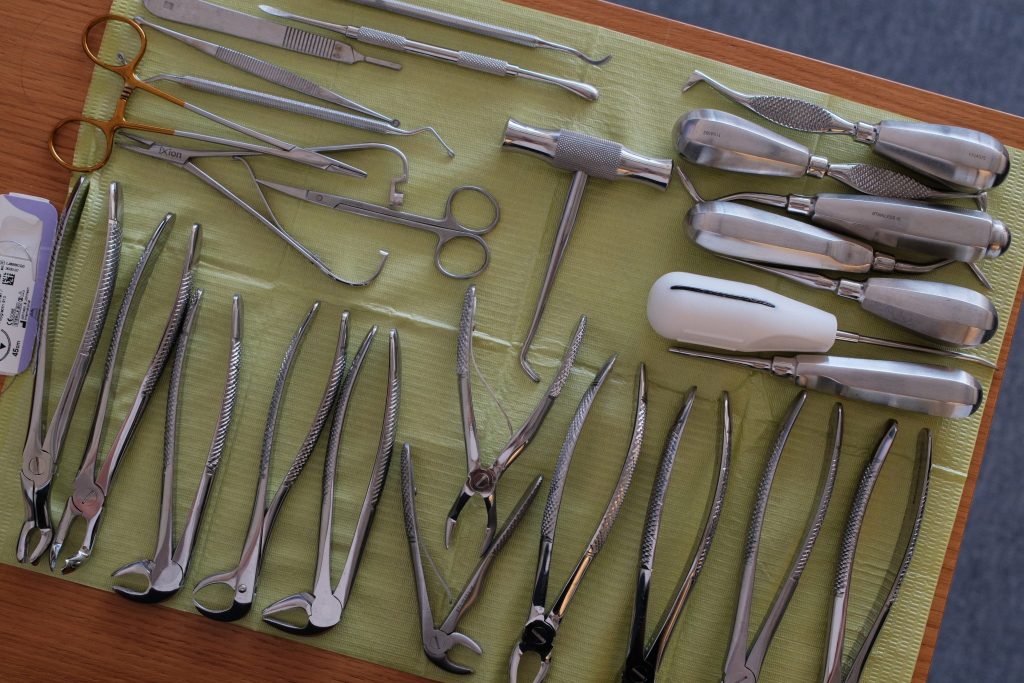
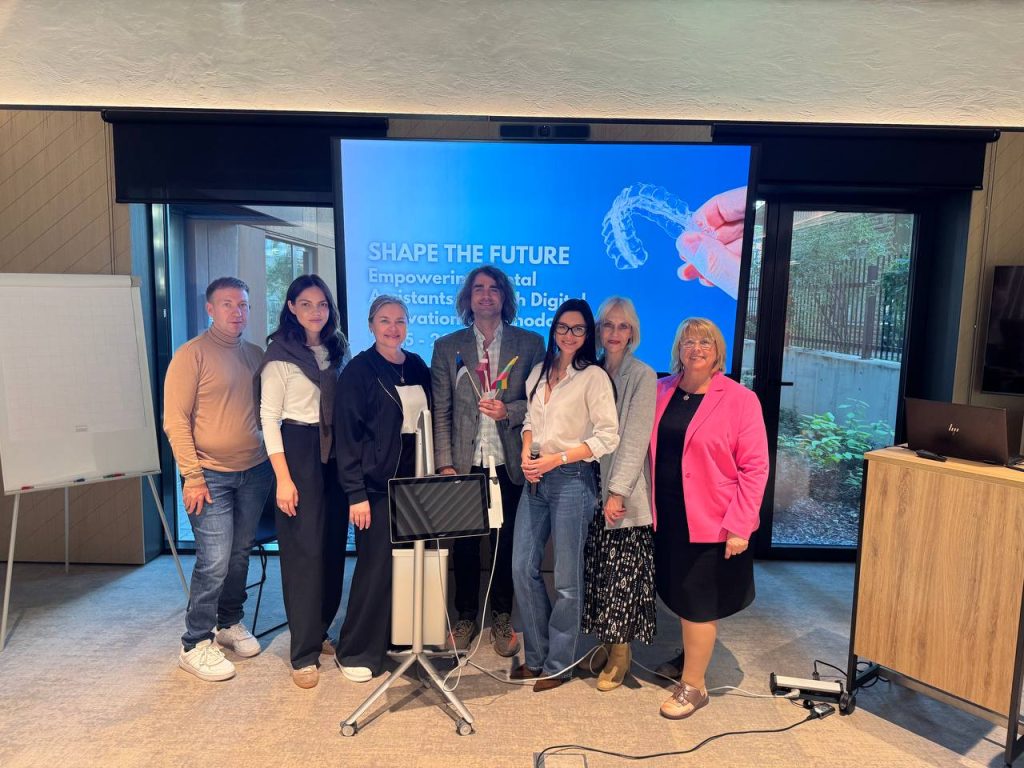
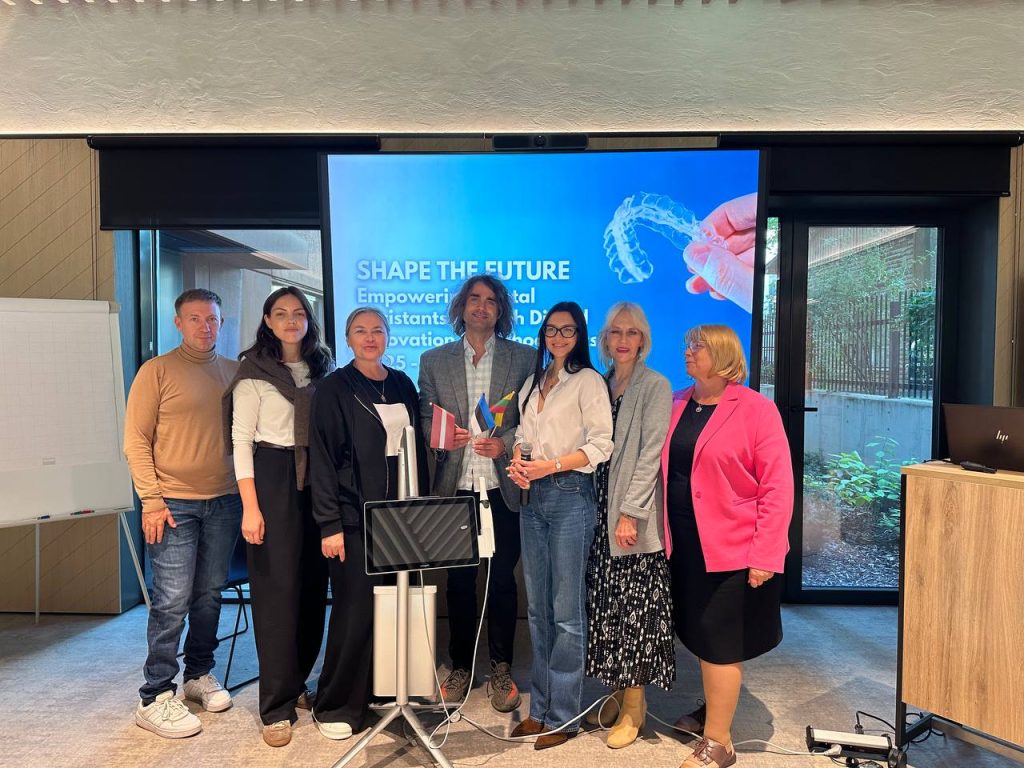
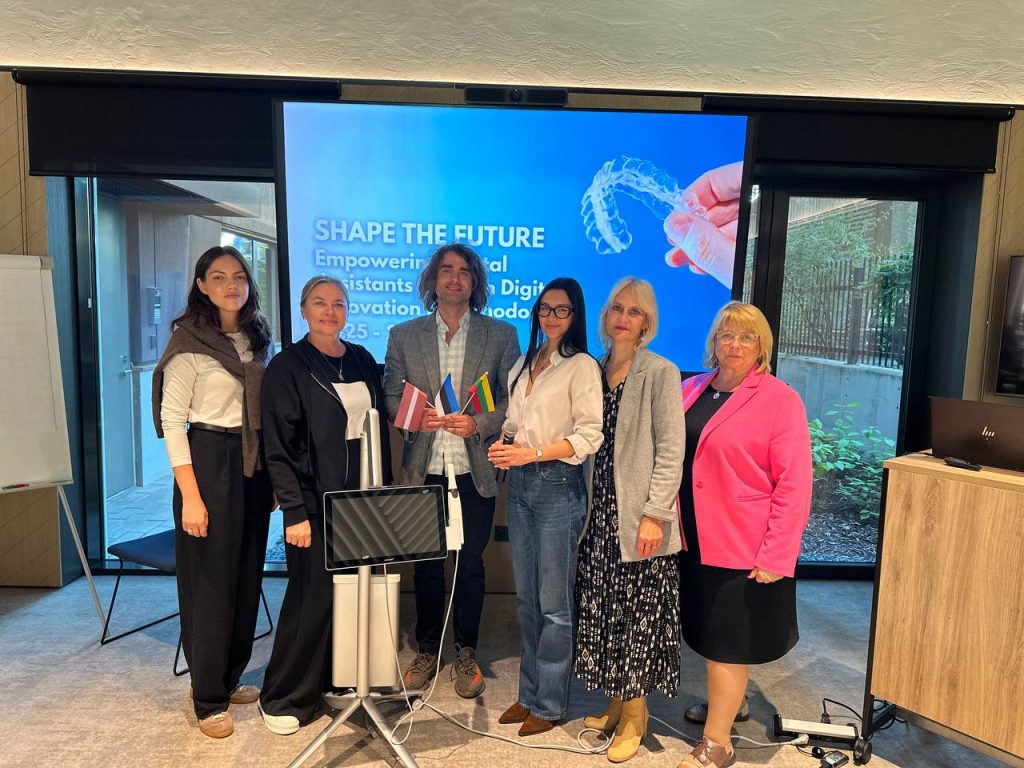
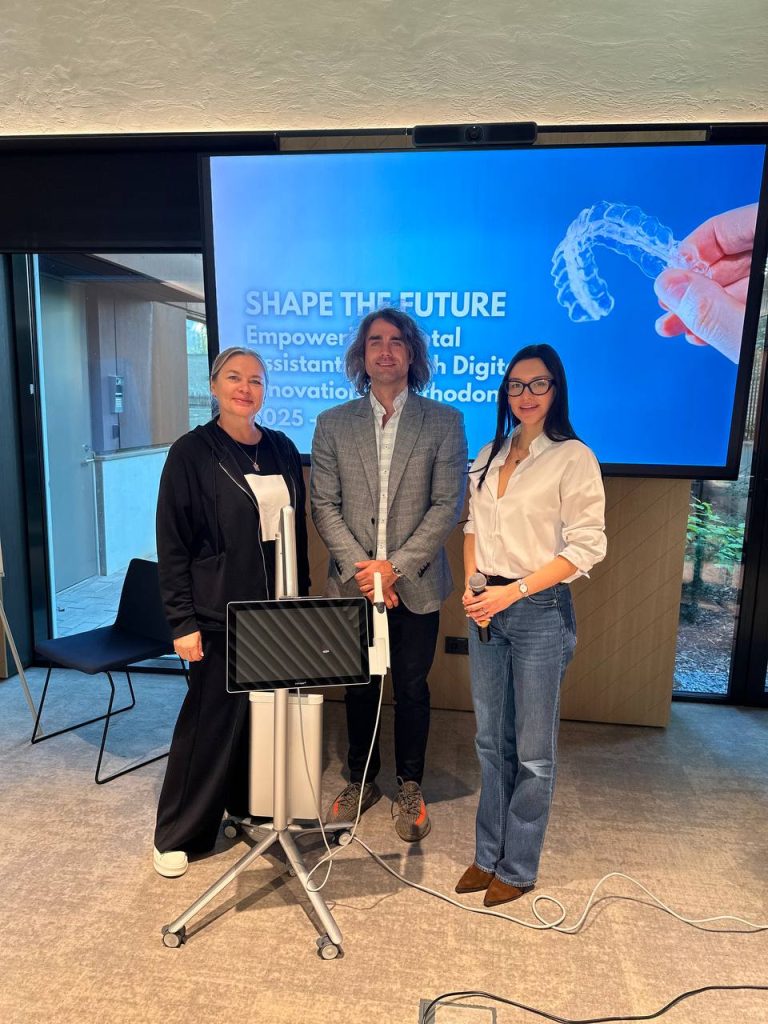
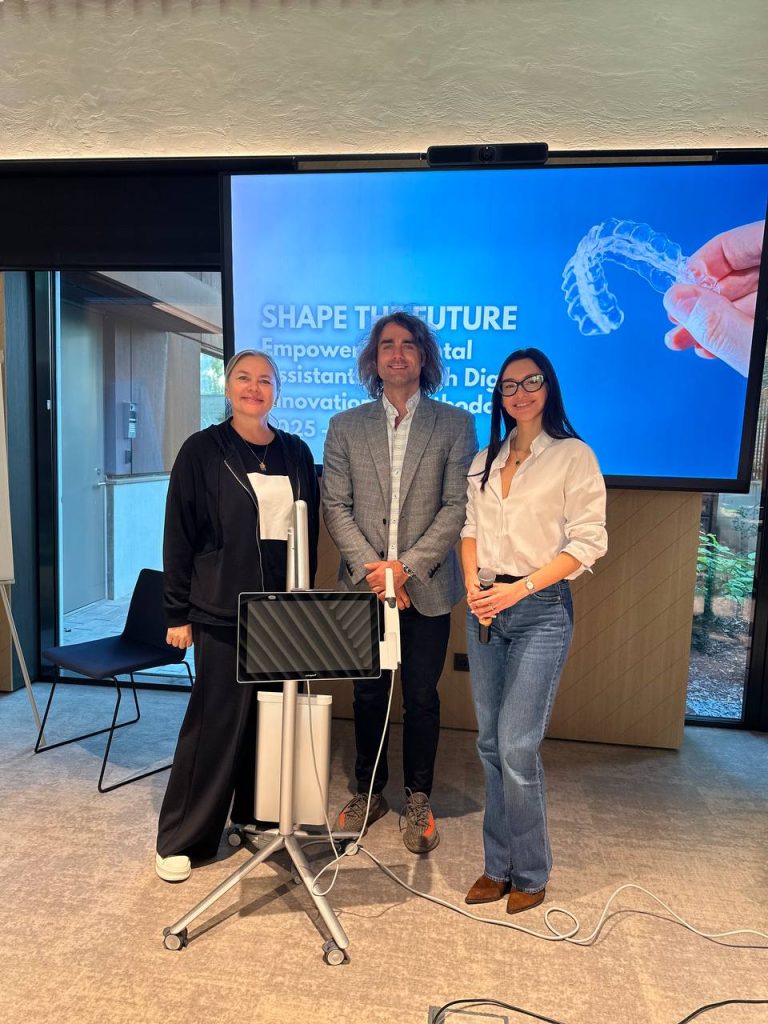
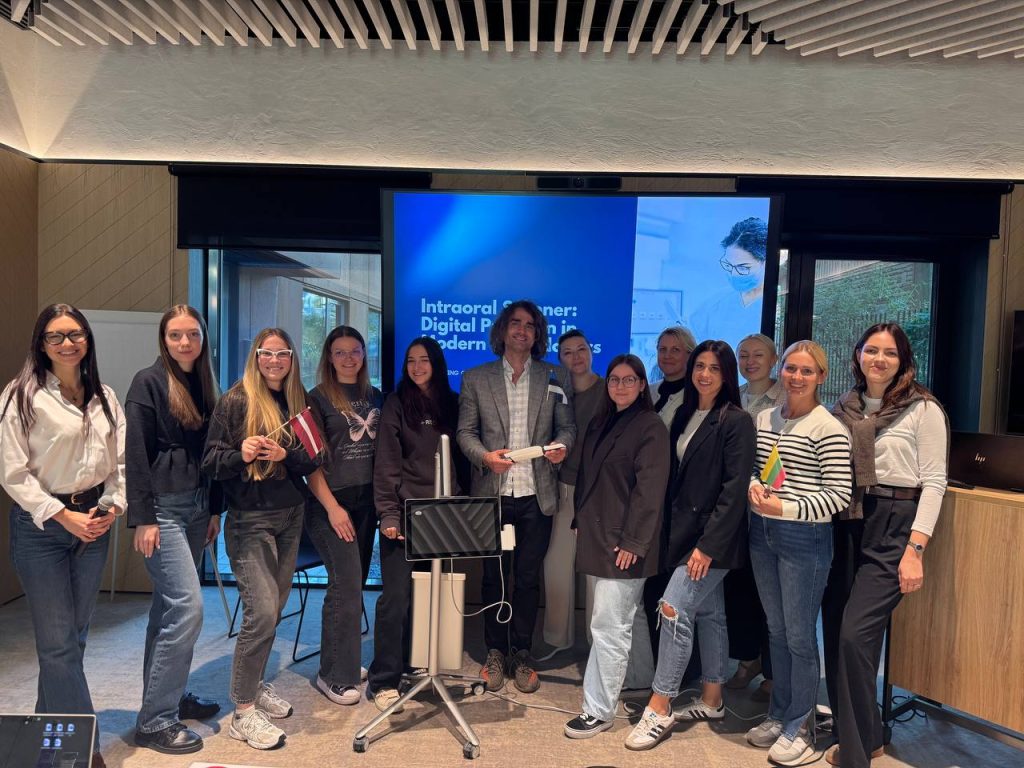
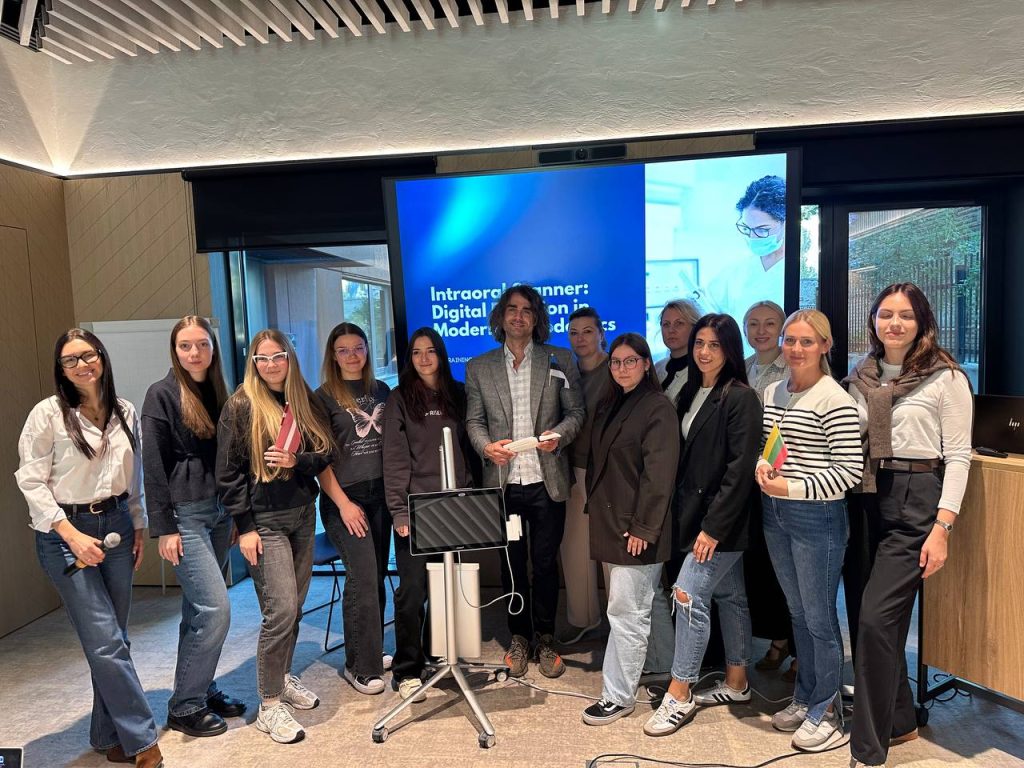
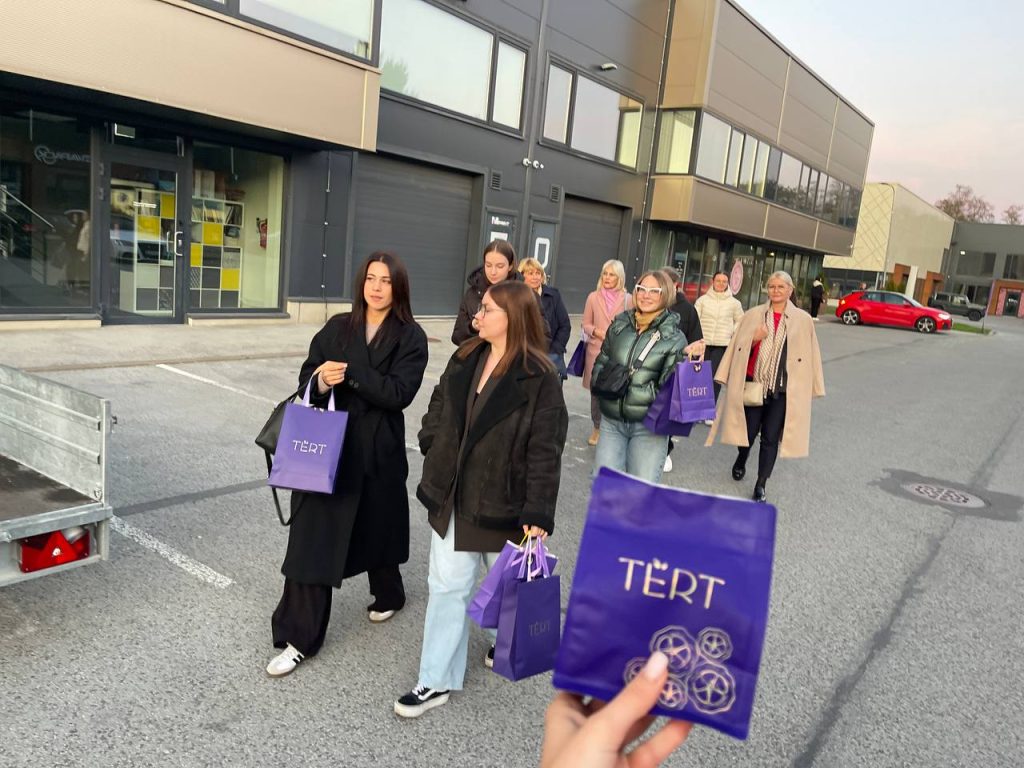
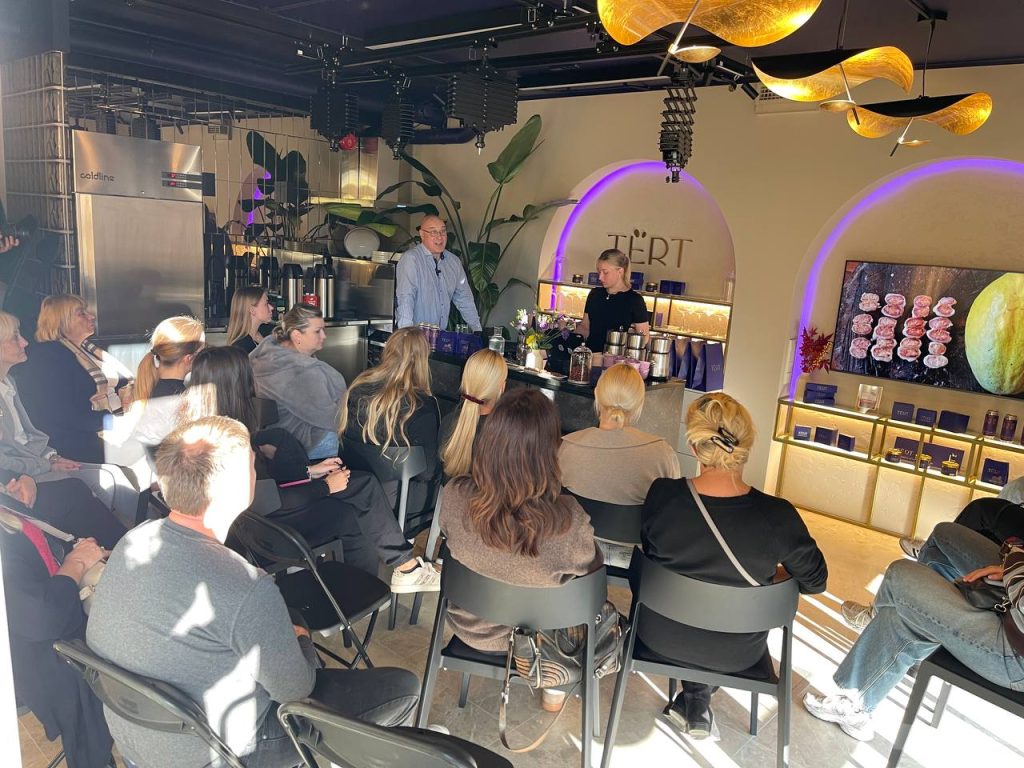
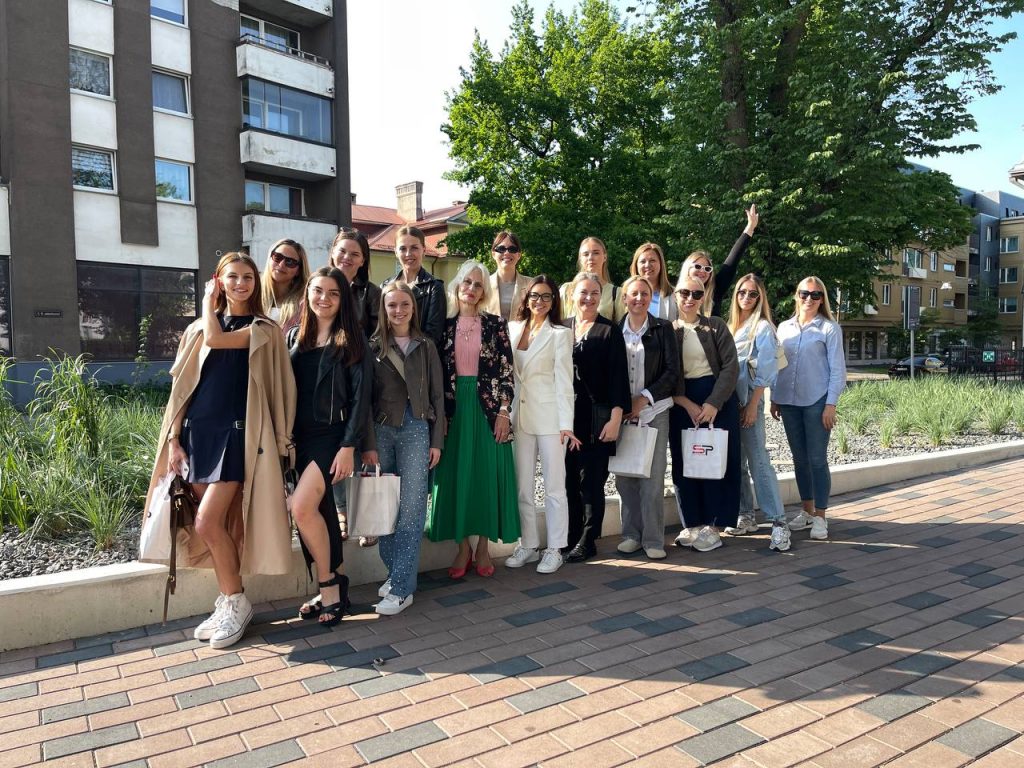
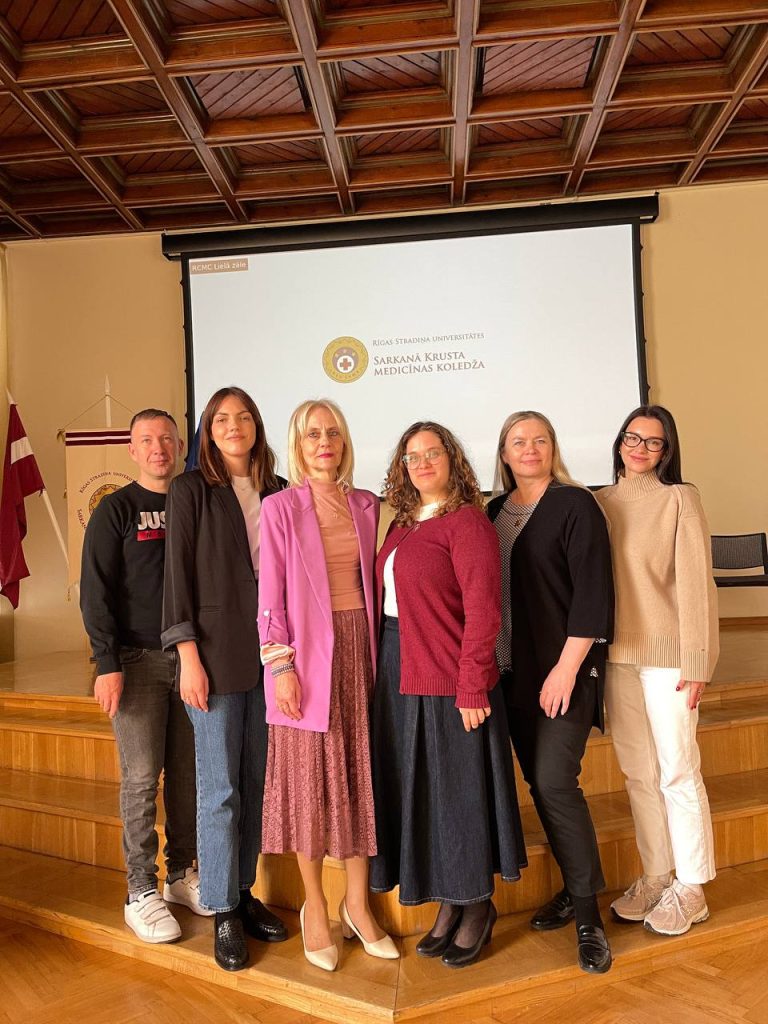
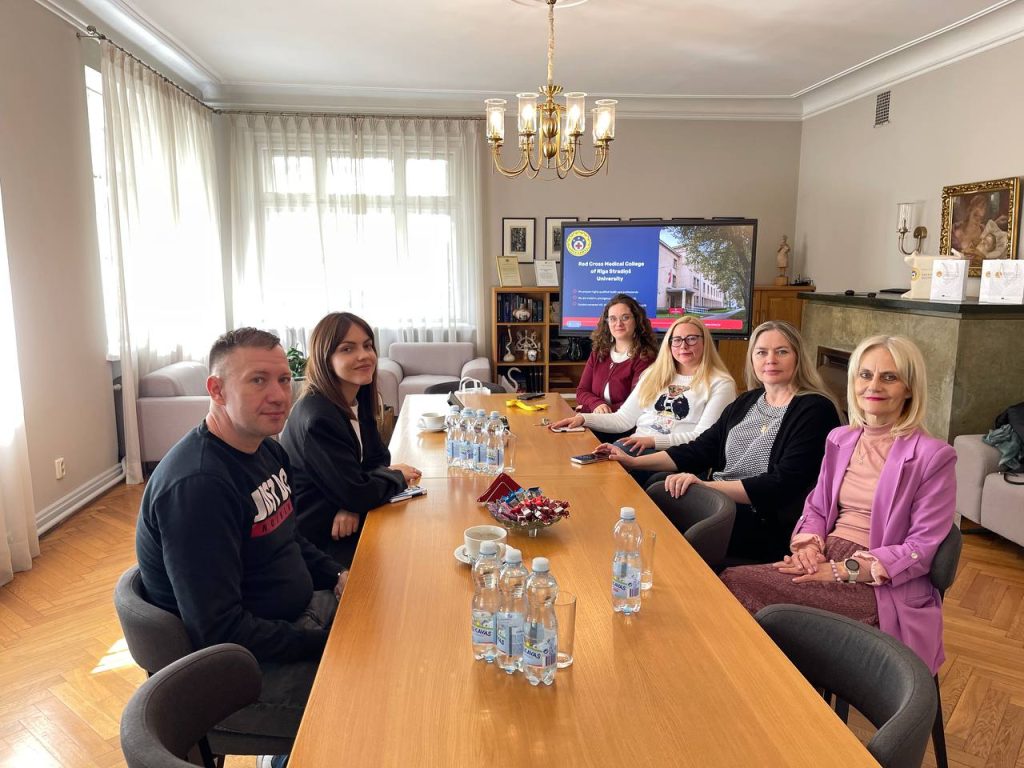
Gallery of the project SHAPE THE FUTURE

BE ADVANCED! X-RAY DATABASE DIGITAL SKILLS FOR DENTAL ASSISTANTS
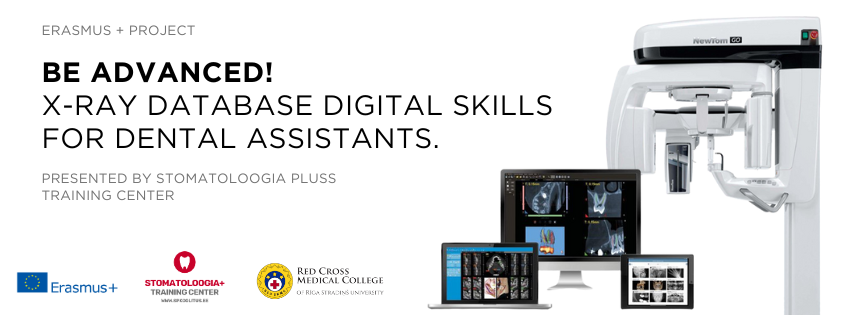
We are excited to announce the successful completion of our Erasmus+ project, “Be Advanced! X-RAY DATABASE DIGITAL SKILLS FOR DENTAL ASSISTANTS.” This project has significantly enhanced the digital skills of dental assistants through innovative training programs and practical workshops.
The “Be Advanced” project aimed to equip dental assistants with skills to operate X-Ray machines and NNT software.
Key Achievements:
- Developed and implemented hands-on training on New Tom X-ray and NNT software.
- Created a comprehensive multilingual manual for X-Ray procedures.
- Conducted successful workshops in Riga and Tallinn, providing practical experience and knowledge.
- Collaborated with industry experts and educational institutions to ensure high-quality training.
Resources Available:
- Multilingual manual for dental assistants.
- Instructional videos, interviews.
- Ongoing training sessions available for completion
Impact:
- Improved digital competencies and employability of dental assistants.
- Enhanced the integration of digital technologies in dental practices.
- Strengthened partnerships between educational institutions in Estonia and Latvia.
- Increased awareness and use of AI in X-Ray analysis.
RESULTS OF THE PROJECT:
The primary output of the project was the comprehensive training of dental assistant students from Estonia and Latvia, equipping them with advanced skills in operating New Tom X-Ray machine and software NNT. Participants demonstrated improved proficiency in handling X-Ray images and managing data within national health databases E-Pildipank and DataMed. Another key output was the creation of a multilingual manual/guide for dental assistants, available in Estonian, Latvian, and English, which standardizes the training process and serves as a valuable resource for ongoing professional development. The project also facilitated the exchange of knowledge and best practices between SPTC and RCMC, fostering a collaborative environment and establishing long-term partnerships. Additionally, the practical workshops and theoretical sessions enabled participants to address and overcome challenges associated with X-Ray technology, thereby enhancing their problem-solving skills. The final online meeting successfully presented the project’s findings and the developed manual, ensuring that the knowledge gained is disseminated widely and effectively utilized in the dental field.

STEP TO TOMORROW
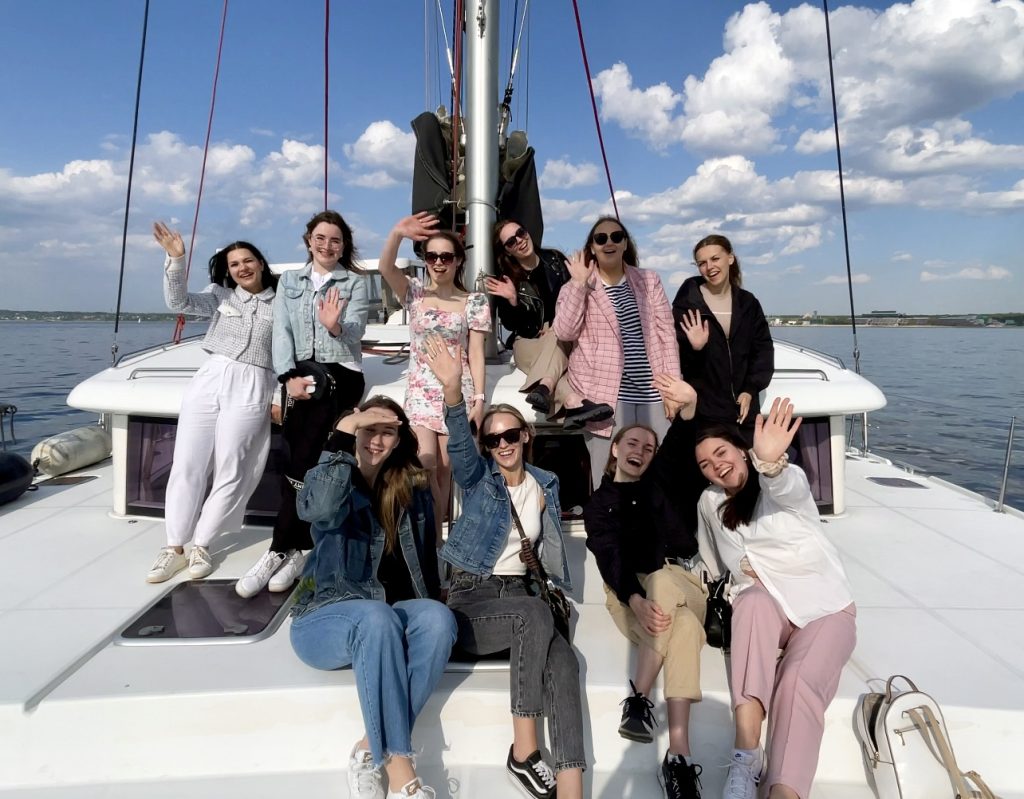
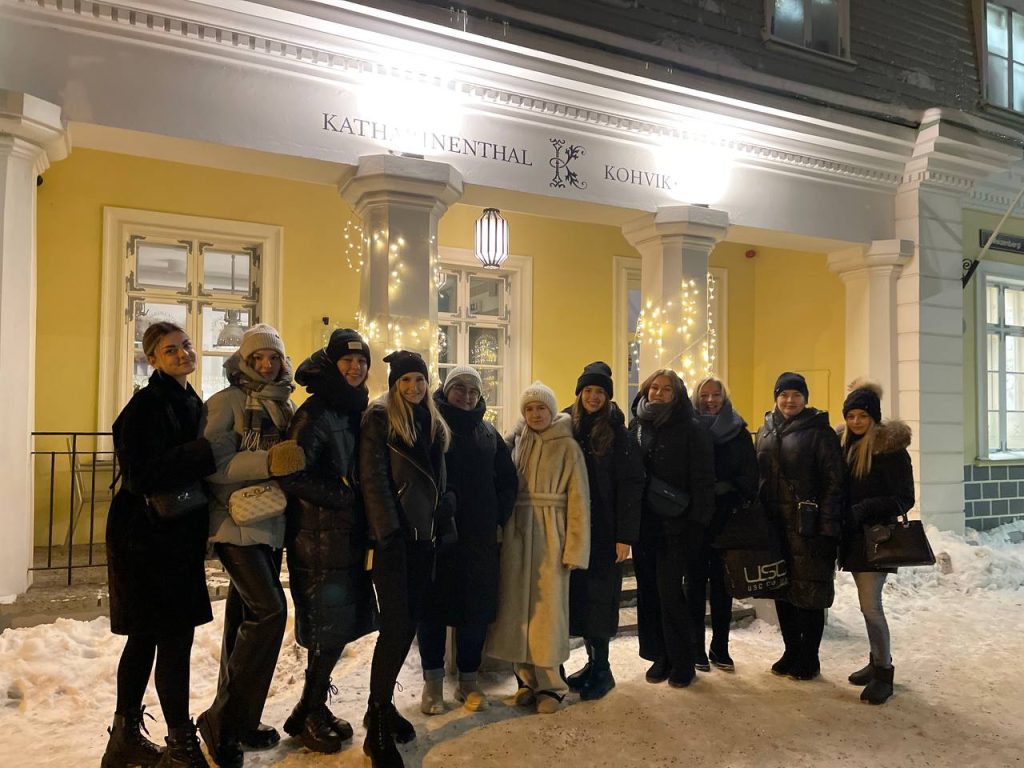
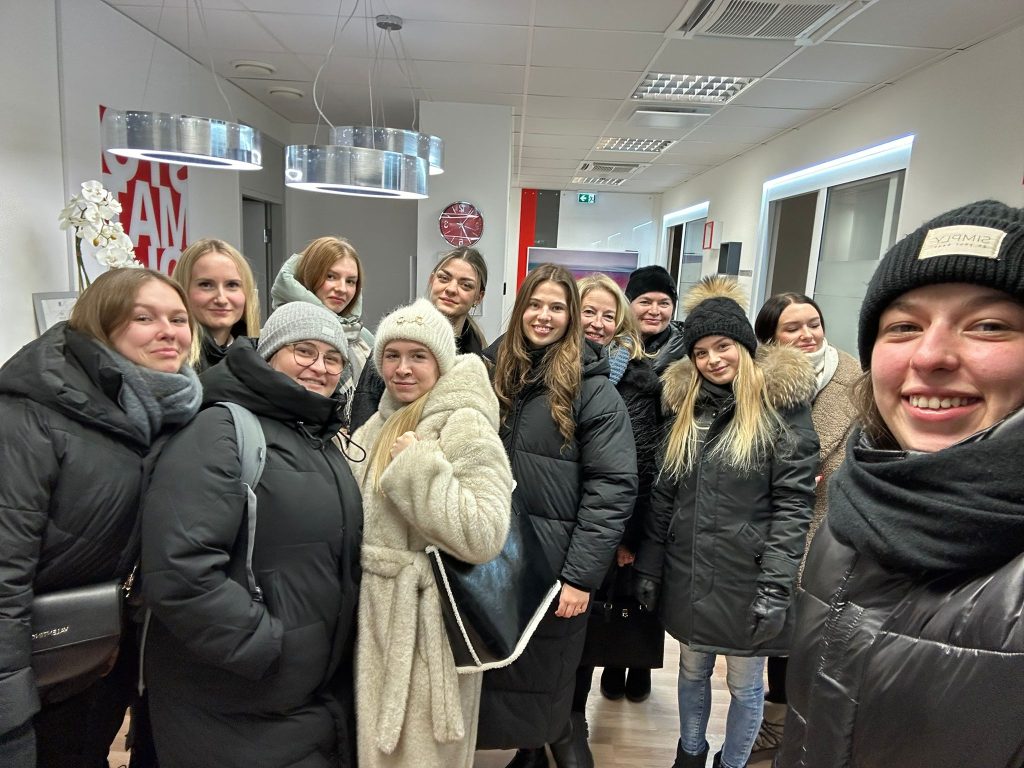
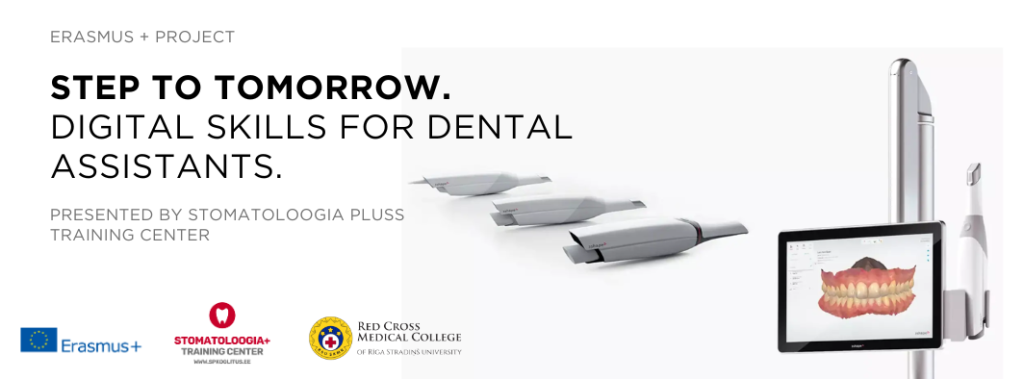
STEP INTO TOMORROW is an international educational project dedicated to teaching the technology of working with the 3Shape Intraoral scanner with the support of the European Union student and teacher exchange program ERASMUS.
Many dental clinics are still actively using the technology of making physical impressions for prosthetics and implants. The good old school approach is well known and reliable for making an instant impression of the patient’s teeth, and scanning it with a desktop 3D device for further processing. However, the science does not stand still, and more and more dental clinics are resorting to the use of intraoral scanners for making digital pictures on patients’ teeth.
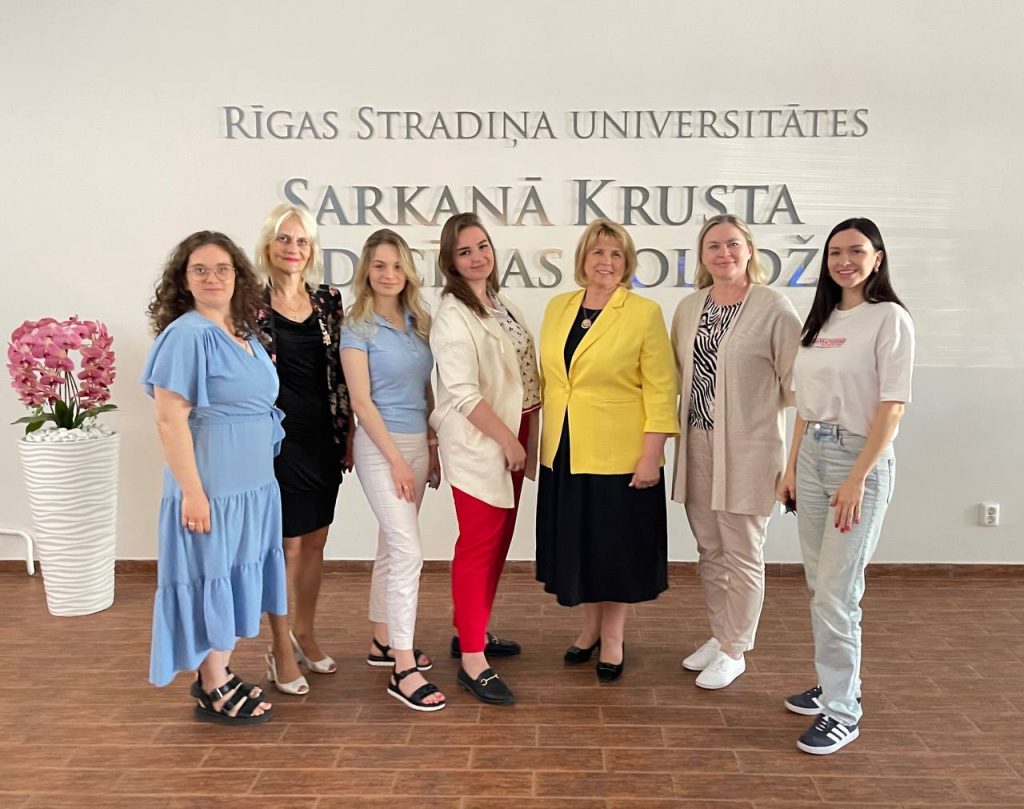
The use of an Intraoral scanner eliminates the need for impression materials, guarantees high accuracy of the results and ensures high speed of information processing. As part of the STEP INTO TOMORROW project, MedGroup OU representatives provide practical training for dental assistant coerce students of the Red Cross Medical College (Latvia, Riga). The purpose of this training is to prepare the dental assistant for practical work with the 3Shape Intraoral scanner.
SP Koolituskeskus does its best to follow all kinds of innovations in the field of dental services and chooses the most advanced and innovative partners to introduce knowledge to the dental market . Join us to study new technologies first!
Contact us if you are interested in cooperation! SP Training Center
The project’s outcomes have greatly benefited both countries by providing certification to dental professionals, developing a comprehensive intraoral scanner protocol, and fostering cross-border collaboration and knowledge exchange. Furthermore, the project has raised awareness of intraoral scanner technology and built capacity for future training programs, contributing to the overall enhancement of dental care in Estonia and Latvia.
The key outcomes of the project are as follows:
1) Certification of 90 participants:
A total of 90 participants, including 45 students from Red Cross Medical College in Riga and 45 students and staff members from Estonia (SP Dental Clinic and Training Center), successfully completed the practical workshops. Upon completion, these participants were issued with certificates to acknowledge their newly acquired skills and knowledge in using intraoral scanners, which will enable them to better serve their patients and contribute to improved dental care in their respective practices.
2) Development of Intraoral Scanner Protocol:
As part of the project, a comprehensive protocol for using intraoral scanners in dental practices was developed. This protocol covers best practices, standard operating procedures, and guidelines on patient preparation, scanning techniques, data management, and device maintenance. The protocol will ensure consistent and effective use of intraoral scanners in dental practices and help to optimize patient outcomes.
3) Strengthened Cross-Border Collaboration and Knowledge Exchange:
The project facilitated collaboration between dental professionals and institutions from Estonia and Latvia, promoting mutual learning and knowledge exchange. This cross-border collaboration has helped to create a strong network of dental professionals, who can share experiences and expertise to continuously improve dental care in both countries.
4) Increased Awareness and Adoption of Intraoral Scanner Technology:
By participating in the project, dental professionals gained a deeper understanding of the benefits and applications of intraoral scanner technology in dental practices. This increased awareness is expected to encourage further adoption of the technology, ultimately leading to improvements in patient care, clinical efficiency, and overall dental treatment outcomes.
5) Capacity Building for Future Training Programs:
The successful implementation of the project has demonstrated the effectiveness of the training model and practical workshops. As a result, both the SP Dental Clinic and Training Center from Estonia and the Red Cross Medical College from Latvia have built their capacity to develop and deliver similar training programs in the future. This capacity building will enable these institutions to continue offering high-quality training opportunities for dental professionals, fostering ongoing improvement in dental care across Estonia and Latvia.